

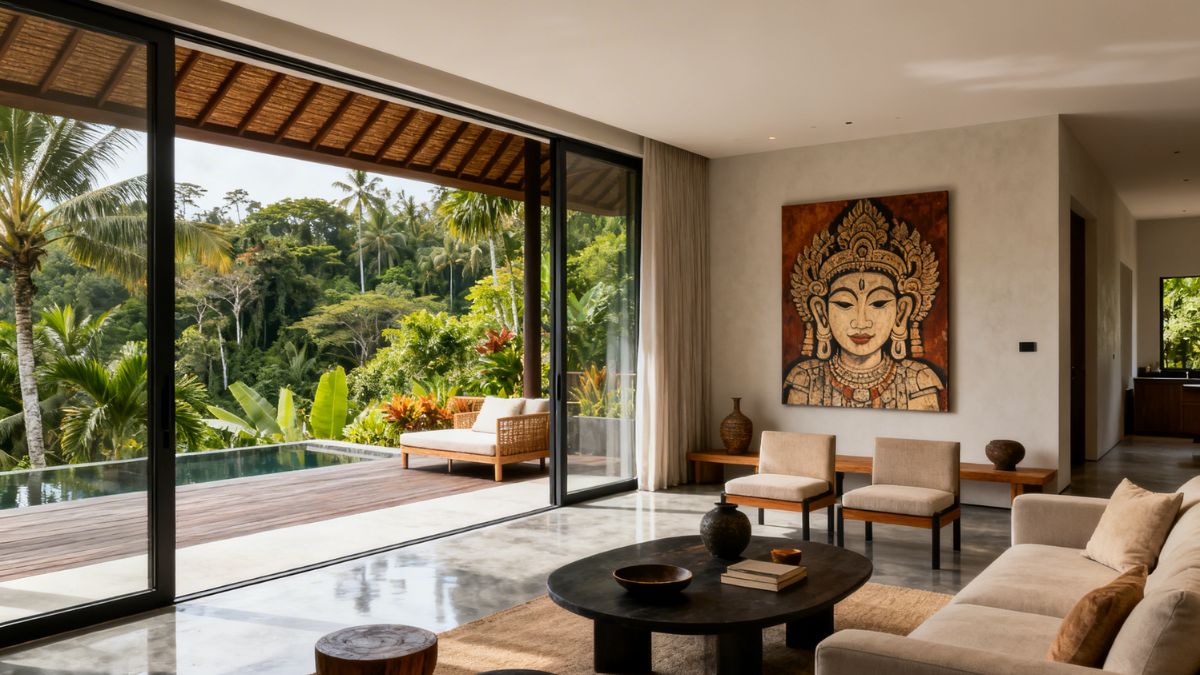
Moving into a compact space often requires a shift in mindset. Instead of looking at the limited square footage indoors, many homeowners start looking outward. The yard quickly becomes the primary living room.
In fact, nearly seven out of ten compact home dwellers report using their exterior spaces for daily meals and relaxation during the warmer months. Building a proper patio is the most effective way to bridge the gap between inside and outside, giving you room to breathe.
Choosing the right foundation for your yard
When designing an exterior area, the surface material dictates how you use the space. Some people opt for loose gravel because it is cheap and easy to install. However, gravel constantly shifts under heavy furniture and easily tracks dirt into your pristine indoor space.
Hardscaping, such as a solid concrete foundation, provides excellent stability and keeps the interior clean. While the initial investment for a solid base is noticeably higher than loose stones, the long-term durability makes it the smarter choice for daily foot traffic and heavy usage.

Transforming dull concrete into a focal point
Sometimes a property already features an old, cracked slab. Tearing it out requires heavy machinery and generates unnecessary landfill waste. A much better alternative is applying a durable coating to the existing surface.
Using a high-quality carvestone overlay completely changes the look without the demolition mess. According to exterior design expert Sarah Jenkins, upgrading an old slab rather than replacing it cuts project time in half while delivering the elegant appearance of natural stone. The main drawback is that severely structurally damaged concrete cannot be saved this way.
Why professional installation beats standard weekend projects
Many small home enthusiasts love a good do-it-yourself challenge. Yet, specialized surface treatments demand precise temperature control and specific mixing techniques. Doing it yourself saves labor costs, but a single mistake can lead to peeling and cracking within a year. Bringing in a trusted company like Allied Outdoor Solutions ensures the materials bond correctly to the surface underneath. Working with seasoned specialists guarantees a flawless finish that withstands extreme weather conditions, even though it requires setting aside a larger portion of your renovation budget upfront.
Designing specific zones for daily activities
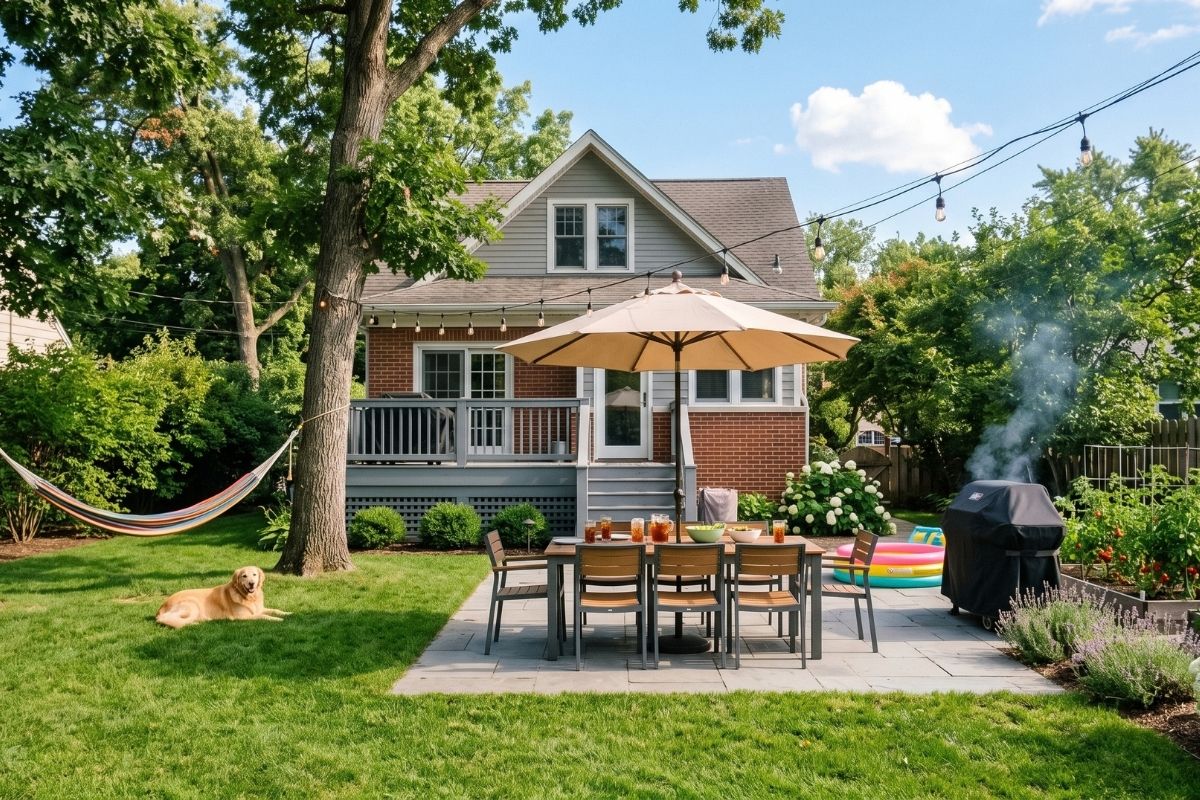
A large, empty patio can sometimes feel cold and uninviting. To maximize comfort, you need to establish distinct areas for different activities. For example, placing a heavy teak dining table near the door creates a natural eating area, while arranging low seating around a stone fire pit forms a separate relaxation zone. You do not need physical walls to divide these sections. Outdoor rugs or subtle shifts in surface texture naturally guide the eye and tell guests exactly how each part of the yard should be enjoyed.
Enhancing the exterior of a compact property effectively doubles your functional footprint. By selecting durable materials and thoughtfully planning the layout, the transition from indoors to outdoors becomes completely seamless. Investing time and resources into these areas guarantees a comfortable, stylish environment that you will enjoy for decades to come.
Incorporating Shade and Weather Protection
A well-designed outdoor living space should be comfortable throughout as much of the year as possible. While sunshine is one of the biggest advantages of spending time outdoors, excessive heat or unexpected rain can make a patio unusable. Adding shade structures such as pergolas, retractable awnings, or shade sails helps regulate temperature and provides protection from harmful UV rays. If your budget allows, a covered patio creates an even more versatile extension of your home by allowing you to enjoy the space during light rain or on particularly hot afternoons.
Strategically placing trees or tall shrubs can also provide natural shade while improving privacy. Deciduous trees are especially beneficial because they offer cooling shade during the summer while allowing sunlight to pass through after their leaves fall in colder months. Combining natural landscaping with built structures creates a balanced outdoor environment that remains inviting regardless of changing weather conditions.

Selecting Space-Saving Outdoor Furniture
Just as furniture selection matters inside a tiny home, it plays an equally important role outdoors. Bulky patio sets can quickly overwhelm a compact yard, leaving little room for movement. Instead, choose multifunctional pieces that maximize flexibility without sacrificing comfort.
Foldable dining tables, stackable chairs, and storage benches provide seating while minimizing clutter when not in use. Modular outdoor furniture is another excellent option because individual sections can be rearranged depending on the occasion. Whether you're hosting a family barbecue or enjoying a quiet evening alone, adaptable furniture allows the space to evolve with your needs.
Materials should also be carefully considered. Aluminum and resin wicker offer durability with minimal maintenance, while sustainably sourced hardwoods provide timeless appeal when properly sealed and cared for. Selecting weather-resistant cushions and fabrics will further extend the lifespan of your investment.
Adding Lighting for Safety and Ambiance
Outdoor lighting dramatically increases the functionality of your patio after sunset. Rather than relying on a single bright fixture, layer multiple lighting sources to create both safety and atmosphere. Path lights improve visibility around walkways, while wall-mounted sconces or overhead fixtures illuminate dining areas.
String lights remain a favorite among tiny homeowners because they add warmth without requiring extensive installation. Solar-powered lights offer an energy-efficient solution, eliminating the need for additional wiring while reducing electricity costs. If your tiny home operates partially or entirely off-grid, solar lighting can be particularly beneficial.
Thoughtful lighting also highlights landscaping features, decorative planters, and architectural details, making even a modest outdoor space feel larger and more inviting during the evening hours.
Creating a Low-Maintenance Outdoor Retreat
One of the biggest appeals of tiny home living is spending less time maintaining your property and more time enjoying it. Applying the same philosophy to your outdoor space helps preserve that lifestyle. Choose native plants that naturally thrive in your climate, reducing the need for frequent watering, fertilizing, or pest control. Drought-tolerant gardens, ornamental grasses, and perennial flowers provide year-round beauty with relatively little upkeep.
Installing drip irrigation systems can further simplify plant care while conserving water. Mulch around flower beds helps retain moisture, suppress weeds, and improve soil health. These small improvements not only save time but also reduce ongoing maintenance costs.
Finally, remember that outdoor living spaces do not need to be oversized to make a significant impact. Even a modest patio, thoughtfully furnished and carefully planned, can become the heart of daily life. By focusing on comfort, durability, and efficient design, tiny homeowners can create an outdoor extension that feels every bit as welcoming and functional as the interior of their home. Over time, this seamless connection between indoor and outdoor living enhances both quality of life and the overall value of the property.
Share: