

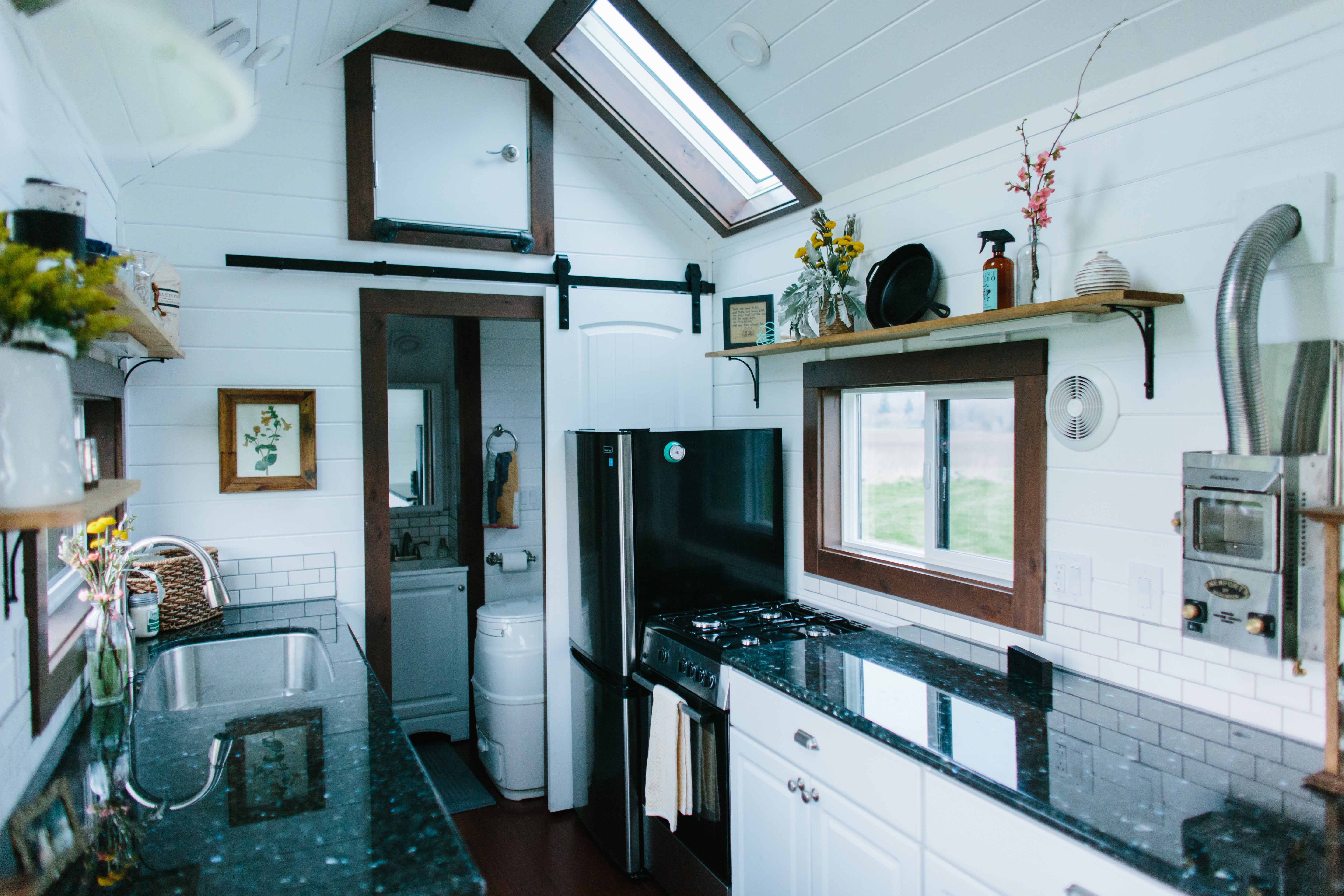
Living in a tiny house offers freedom and a simpler lifestyle. Most people enjoy the lower costs and the ability to move their homes whenever they want. Fueling the interior of the home involves gas systems for cooking or heating.
Safety is a top priority since space is limited and leaks can become dangerous fast. Professional checks keep the fuel lines running without any scary surprises. Small spaces require careful planning and high standards for all utility connections.
Gas Hazards In Small Living Areas
A tiny leak fills a small room with fumes much faster than a large living room. Natural gas or propane can displace oxygen and create a fire hazard within minutes. Using gas in such a tight space requires a high level of caution and regular monitoring. Professionals look for signs of wear that a normal person might miss during a quick glance.
Maintenance prevents these parts from failing when you need them most. Tiny homes on trailers face extra stress from road vibrations and wind. Shaking can loosen fittings or cause micro-cracks in copper pipes. A pro will tighten every bolt and check every seal to prevent gas from escaping into your bedroom.

The Importance Of Expert Installation And Maintenance
Hiring a pro to look at your setup is the smartest move for any homeowner. Property owners find that professional underground gas line repair Pittsburgh or in their location can keep a tiny home connected to fuel. Proper depth and shielding for buried lines keep them safe from garden tools or shifting soil. Small house owners should never attempt to modify these lines without proper training.
Local codes change to address new technology or safety concerns. Professionals stay updated on these rules, so you do not have to worry about them. They bring calibrated gear that detects even the smallest trace of fuel in the air. A quick inspection saves you from expensive repairs later on.
Portable Detectors And Modern Monitoring Tools
Many people now use handheld devices to sniff out small leaks around the kitchen or heater. Portable gas detectors now hold 66.55% of the market share. These devices sniff out leaks in hard-to-reach spots in a small cabin. Owning a sensor adds a layer of safety for your family and pets.
Most units run on batteries and require very little setup to begin working. Using a detector helps you find problems long before you can smell them. Small house dwellers should keep one of these tools near their main gas appliances.
Regulations For Safe Gas Distribution
Government agencies work hard to keep the fuel grid safe for everyone. Rules for pipes and connectors are strict to prevent large-scale accidents in residential areas. Nearly 49,762 miles of gas distribution lines. Following these rules at the home level keeps the entire neighborhood safer from potential disasters.
Your local gas provider uses heavy-duty materials that are designed to last for decades underground. Check your own lines to see if they match the quality of the main grid. Professionals can tell if your setup meets the required safety standards for your area. A safe connection starts at the meter and ends at your stove.

Recalls And Appliance Safety In Small Kitchens
Tiny kitchens use compact stoves that need to work perfectly to stay safe. Faulty appliances can release poisonous gases like carbon monoxide into your sleeping area. Around 60,000 stoves were recalled recently for safety failures. Carbon monoxide is invisible and has no smell, so it is a silent threat in a small space.
Old appliances lack the safety features found in newer models. Modern stoves have sensors that shut off the gas if the flame goes out. Consider upgrading if your current stove is more than 10 years old. New technology keeps your air clean and reduces the risk of a kitchen fire.
Maintaining Exterior Lines And Connections
Weather can be tough on the pipes that sit outside your tiny home. Rain, snow, and sun all work to weaken the materials over several years.
-
Inspect the shut-off valve for rust or stuck parts
-
Check that the regulator is clear of any dirt or insects
-
Look for any cracks in the flexible hoses that connect to tanks
Professional plumbers check these exterior points first since they are the most exposed parts of the system. Use high-quality covers to protect your hoses from harmful sun damage. Replace any hose that feels stiff or shows signs of dry rot. Keeping your tanks on a stable surface prevents them from tipping over and breaking a line.

Safe Storage For Propane Tanks
Propane is a common fuel source for mobile tiny houses thanks to its portability. Storing these tanks correctly is just as important as the lines themselves.
-
Keep tanks at least 10 feet away from any door or window
-
Store bottles in an upright position on a level surface
-
Never keep spare tanks inside the living area or a shed
Leaking propane sinks to the floor and can pool in low areas of your home. Keeping the fuel source outside reduces the risk of a fire inside your tiny space. Always use a soapy water test on the tank connection after every swap to find leaks.
Tanks that sit in the sun can build up too much pressure. Safety valves release this extra gas into the air to prevent the tank from bursting. Keep your fuel storage in a shaded spot with plenty of airflow. Never paint your tanks a dark color that absorbs more heat from the sun.
Preparing For A Gas Emergency
Every tiny house owner needs a plan for when things go wrong. Rotten egg smells or whistling sounds near the pipes are clear warnings of a problem. Leaving the building immediately is the only safe option if you suspect a leak. Do not touch any light switches or electronics on your way out the door.
Emergency training should be shared with everyone who lives in or visits your home. Everyone should know where the main shut-off valve is located. A clear sign or label on the valve makes it easy to find in the dark. Safety drills might seem silly, yet they are the best way to stay calm during a real crisis.
Your tiny house must be a place for relaxation and living your best life. Working with experts will guarantee that every pipe and valve is in perfect working order. Regular checks catch small problems before they grow into expensive or dangerous repairs. Enjoy the peace of your small home knowing that your fuel system is safe.



Share: