

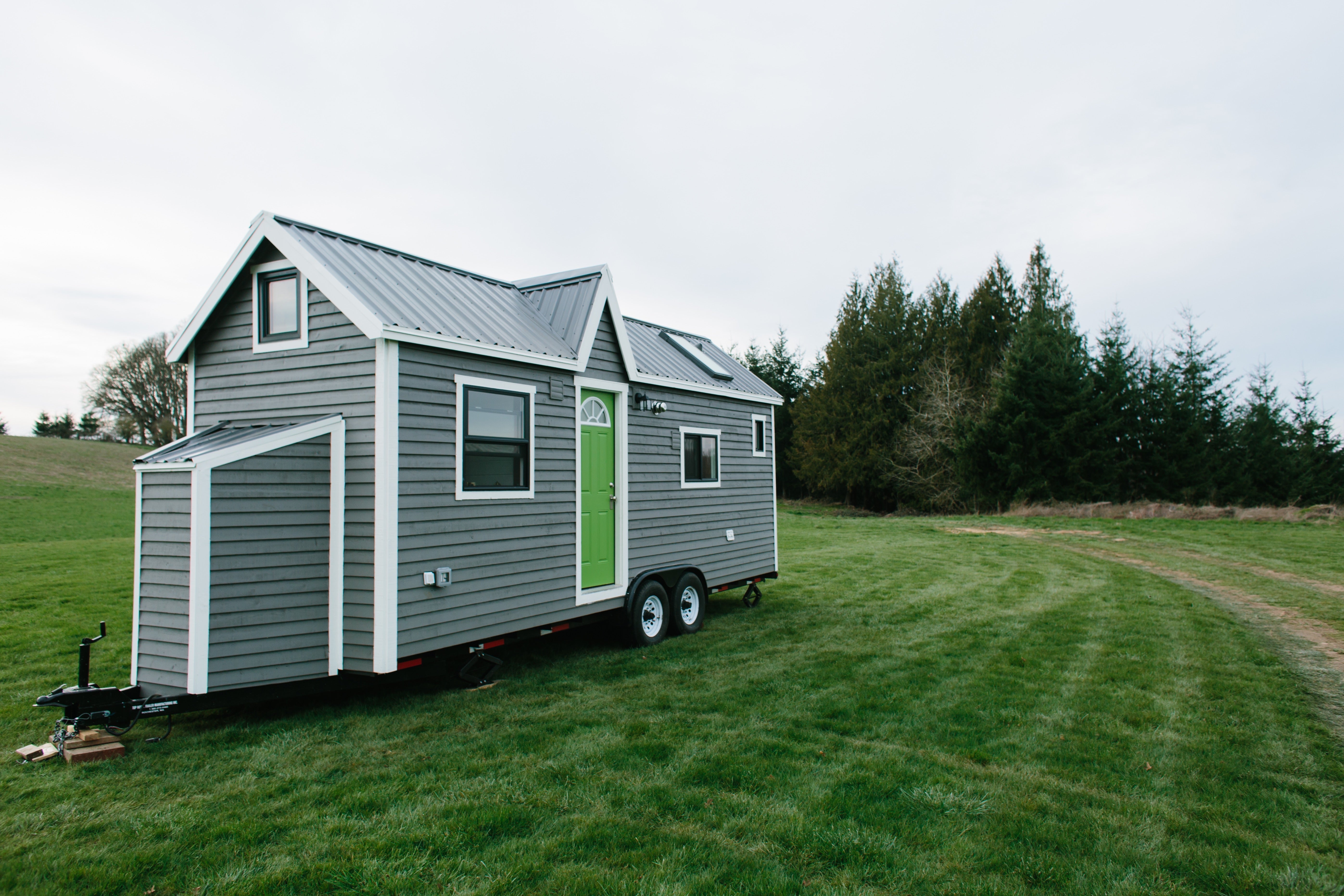
For many people, the dream of homeownership feels increasingly out of reach. Skyrocketing property prices in major urban centres, persistent affordability gaps, and years of aggressive rate environments have pushed the goalposts further out of reach for an entire generation of aspiring buyers.
Yet a growing number of first-time buyers are finding a practical and empowering path forward by setting their sights on a tiny starter home, a smaller, more attainable first property that gets them onto the property ladder sooner.
The decision to pursue a tiny starter home is rarely simple and involves careful financial preparation, an honest lifestyle assessment, and the right professional support from the outset.
Working with a professional mortgage broker to buy a new home gives first-time buyers access to a broader range of lending products, expert guidance on mortgage structure, and the kind of tailored support that makes navigating the approval process far less daunting. With the right strategy in place, a smaller first property is a well-calculated step forward.
Why Tiny Starter Homes Are Drawing More First-Time Buyers
Shifting lifestyle priorities and worsening affordability are reshaping the way first-time buyers think about entering the market. Rather than delaying ownership indefinitely, many are choosing smaller, more manageable properties as a deliberate wealth strategy.
Moreover, the share of first-time buyers has fallen to a historic low of 21%, while the median age of first-time buyers has climbed to an all-time high of 40 years old. This is a clear reflection of how sustained price growth and tighter lending conditions have delayed ownership for younger households.

Defining Your Starter Home Criteria
What qualifies as a tiny starter home varies considerably across different regions and price points, so buyers must anchor their search in what they can genuinely sustain financially.
Defining clear criteria before entering the market prevents wasted time, emotional fatigue, and the risk of overextending on an entry-level purchase.
Size, Price Point, and Location
Starter home criteria shift significantly depending on where you are buying.
Key factors to evaluate are:
-
The local median price and how your target property compares to it
-
Whether the size and layout genuinely meet your day-to-day living requirements
-
Proximity to employment, transit, and services that matter most to your lifestyle
-
The condition of the property and what immediate costs it may carry
Setting Realistic Expectations
First-time buyers arrive at the market with expectations shaped by aspirational browsing.
Consider assessing the following:
-
The maximum purchase price you can qualify for after stress testing
-
The realistic condition and size of properties available at that price in your target area
-
Whether you are prepared to accept a property that requires improvement in exchange for a lower entry price
Financial Preparation: Building a Solid Foundation
Sound financial preparation is the backbone of any successful tiny starter home purchase, ensuring you can comfortably sustain it once the keys are in hand.
Getting your finances in order before entering the market reduces stress, strengthens your borrowing position, and ensures your purchase supports long-term stability.
Down Payment Planning and Closing Costs
Saving a sufficient down payment is the first and most time-consuming part of the financial preparation process.
A 2025 national survey of nearly 4,000 Canadian mortgage consumers found that first-time homebuyers saved for an average of 3.4 years before accumulating enough for their down payment, a notable improvement from the 4.2-year average recorded the year prior.
Beyond the down payment itself, buyers must account for:
-
Closing costs, which typically range from 1.5% to 4% of the purchase price, include legal fees, land transfer taxes, title insurance, and home inspection fees.
-
Immediate maintenance or repair costs, which are common with entry-level properties, should be budgeted for before the purchase is finalized.
-
Moving expenses and any essential furnishings or appliances that the property may lack.

Understanding Mortgage Options for Entry-Level Properties
Not all mortgage products are equally well-suited to lower-priced properties or buyers with smaller down payments.
A professional mortgage broker to buy a new home can help identify which lending products offer the best terms for your specific financial profile, including options that may not be accessible directly through major chartered banks.
Here are important mortgage considerations for first-time buyers:
-
The difference between insured and uninsured mortgages, which is determined by your down payment amount, affects both your rate and your premium obligations.
-
Fixed versus variable rate structures, and assess which better aligns with your risk tolerance and the current rate environment.
-
Amortization period options and how a longer or shorter repayment timeline affects both your monthly obligations and your total interest cost.
Lifestyle Considerations and the Smaller Space Reality
Choosing a tiny starter home is both a financial and lifestyle decision, and buyers must honestly evaluate whether a smaller space genuinely supports their current way of life before committing.
Understanding both the compromises and the rewards of starter home ownership helps buyers make a decision they can live with comfortably, in every sense of the word.
Does a Small Space Actually Work for You?
Tiny homes demand a different relationship with space, storage, and shared living.
Before pursuing a smaller property, buyers should reflect honestly on the following:
-
How you currently use your living space, and whether your daily routines can adapt to a smaller footprint
-
Whether your household size and composition are compatible with the property's layout over the medium term
-
The trade-offs between lower carrying costs and potential discomfort or inconvenience that come with limited space
Planning the Transition to a Larger Property
A tiny starter home should always be viewed as one chapter in a longer ownership story.
Buyers who think ahead tend to structure their first mortgage and property choice to support upward mobility, including:
-
Choosing portability features and prepayment privileges that reduce penalties when transitioning to a new property
-
Understanding how equity built into the starter home can be used as a down payment on the next purchase
-
Avoiding over-renovating a starter home in a way that exceeds the property's resale ceiling in its local market

Choosing the Right Property for Long-Term Wealth Building
Not all tiny starter homes are equally positioned to support a long-term wealth strategy, and buyers who approach their first purchase with strategic intent build equity faster and transition more smoothly to larger properties.
Selecting a property in the right neighbourhood with genuine upside potential is just as important as the financial preparation that precedes the purchase.
Neighbourhoods with Growth Potential
The location of your tiny starter home will ultimately determine how much equity it generates over the course of your ownership.
Buyers should assess:
-
Evidence of infrastructure investment, rezoning activity, or transit expansion in the target area
-
Population growth trends and the direction of buyer demand over recent years
-
Proximity to employment hubs, post-secondary institutions, and amenities that attract sustained housing demand
Identifying Value-Add Renovation Opportunities
Entry-level properties come with cosmetic or functional shortcomings that, when addressed strategically, can meaningfully increase resale value.
Priorities worth evaluating encompass:
-
Kitchen and bathroom updates consistently deliver the strongest return on investment in residential resale
-
Energy efficiency improvements, which reduce ongoing carrying costs and appeal to future buyers
-
Layout changes or additions that improve livability without exceeding the property's neighbourhood price ceiling
A Strategic and Empowering First Step Toward Ownership
Purchasing a tiny starter home in North America is a deliberate, well-reasoned decision to begin building real estate wealth today. First-time buyers who enter the market through a smaller, more affordable property start to accumulate equity, build their credit profile, and develop the financial discipline that makes every subsequent property move more achievable.
Overall, the key to making this first purchase work lies in thorough preparation, honest self-assessment, and the right professional guidance alongside you from the very beginning.
Coordinating with a professional mortgage broker to buy a new home ensures that your first mortgage is structured to support not just today's purchase, but everything that comes after it. A smaller first home, approached with clear financial preparation, a sound wealth strategy, and realistic lifestyle expectations, is an empowering financial decision for first-time buyers.


Share: