

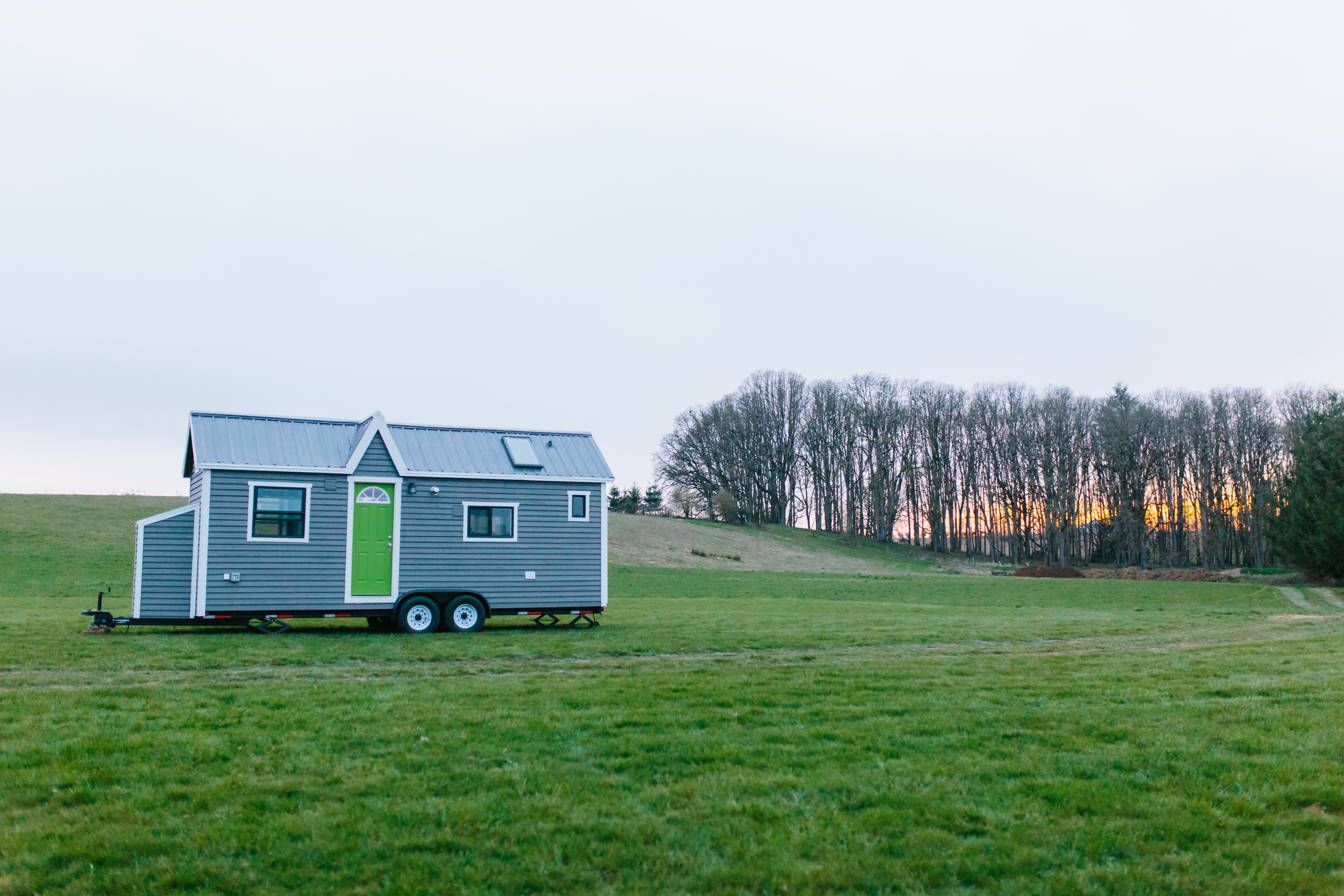
When you decide to hit the road with your tiny house, figuring out where to park it can be challenging. You need to navigate local laws and find suitable spots that fit your needs.
Whether you're seeking urban conveniences or quiet rural escapes, each option has its pros and cons. Understanding these nuances is essential. So, what do you need to know to guarantee your tiny house adventure goes smoothly?
Key Takeaways
-
Research local zoning laws and regulations to ensure legal parking for your tiny house in different areas.
-
Explore urban, rural, and scenic locations for diverse parking experiences and amenities.
-
Utilize apps and websites like Campendium and Tiny House Listings to find tiny house-friendly campgrounds.
-
Confirm if a parking permit is needed for extended stays in your chosen location.
-
Communicate with local authorities and campground managers to clarify policies and requirements for parking.
Where Can You Legally Park Your Tiny House?
Where can you legally park your tiny house while traveling? Understanding zoning laws is essential.
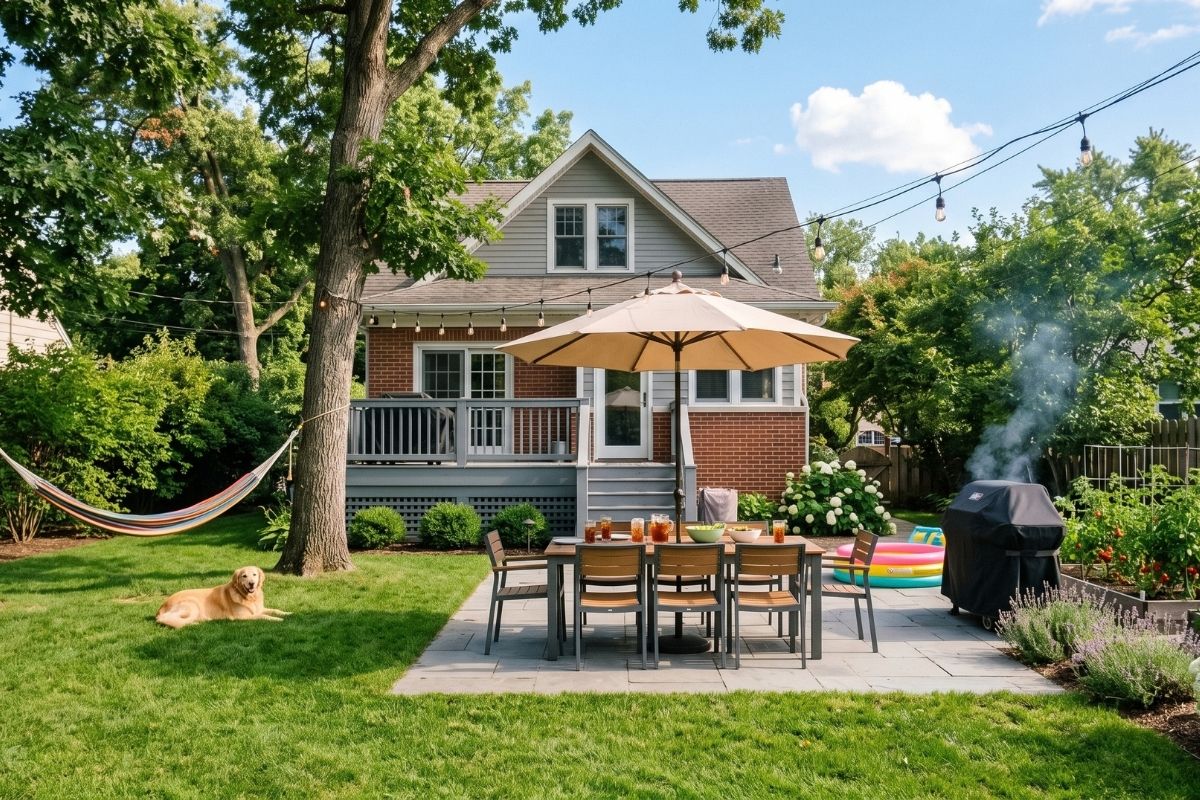
These laws vary by state and even by city, so you'll need to research local regulations before you hit the road. Some areas allow parking on private land with the owner's permission, while others might require you to stay in designated RV parks.
Don't forget about parking permits; some jurisdictions mandate them for tiny houses, especially if you're staying longer than a day.
Always check local guidelines to avoid fines or legal issues. Knowing where you can park legally will make your traveling experience smoother and keep you compliant with local laws.
Happy travels!
Best Types of Locations to Park Your Tiny House
Finding the best types of locations to park your tiny house can make your travels more enjoyable and stress-free.
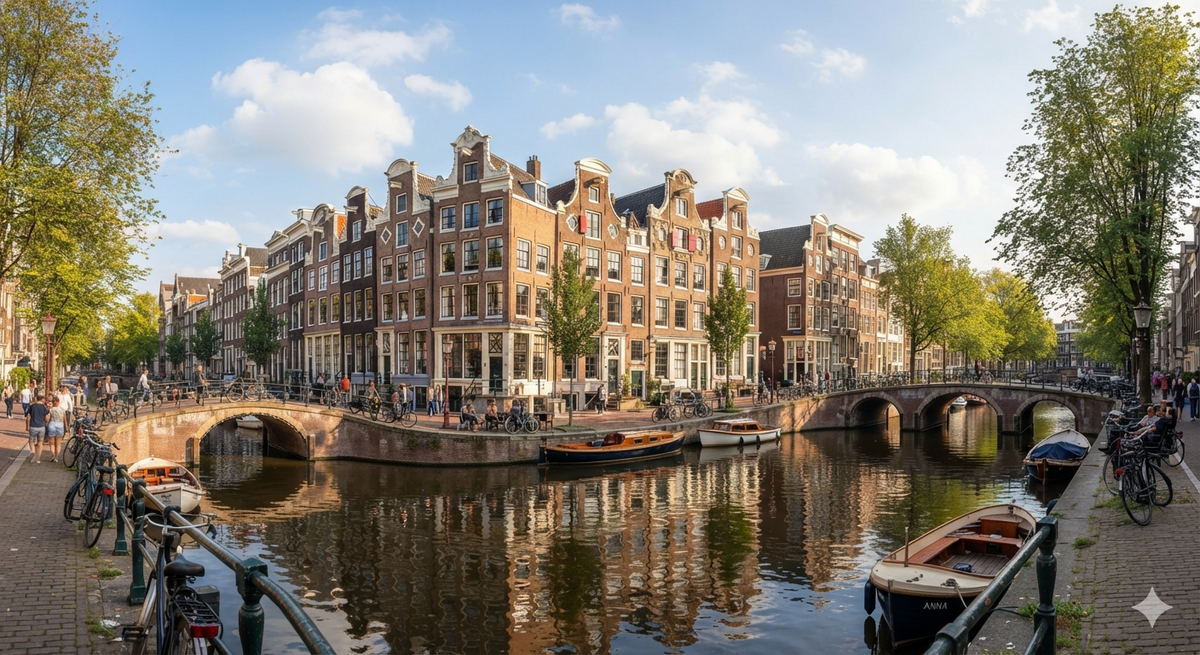
Start by exploring urban options, where you can immerse yourself in city life and enjoy local amenities.
If you prefer nature, consider rural retreats that offer peace and stunning views. Scenic overlooks provide breathtaking backdrops, perfect for a relaxing getaway.
Community spaces, like tiny house villages, foster connections with like-minded individuals and can offer shared resources.
For flexibility, look into temporary stays that allow you to move often, or secure long-term leases for a more stable experience.
Each option has its perks, so choose what fits your lifestyle and travel plans best.
Finding Tiny House-Friendly Campgrounds?
Have you ever wondered how to locate campgrounds that welcome tiny houses? Start by searching online for tiny house communities, as many offer listings of campgrounds that cater to tiny dwellers.
Websites like Tiny House Listings or Tiny House Blog can be valuable resources. You can also use apps like Campendium or AllTrails, filtering for tiny house-friendly spots.
When you find potential campgrounds, check their amenities—things like water hookups, electricity, and waste disposal can make your stay much more enjoyable.
Don't hesitate to reach out directly to campground managers; they can provide insights and confirm tiny house policies.
With a little research, you’ll discover plenty of welcoming places to park your tiny home while you travel!
How Can You Park Your Tiny House Safely and Legally?
How can you guarantee your tiny house is parked safely and legally? First, research local zoning regulations in the area where you plan to park. Each locality has different rules regarding tiny houses, so understanding these regulations is essential.
Next, check if you need a parking permit. Some places require permits for residential parking, while others may not allow tiny homes at all.
Before you set up, confirm that your chosen spot complies with local laws and that you have the necessary documentation. Communicating with local authorities can also provide clarity and help you avoid fines.
Key Apps and Websites for Tiny House Travelers
As you commence your tiny house adventures, leveraging the right apps and websites can greatly enhance your experience. Platforms like "Hipcamp" and "Harvest Hosts" let you find unique spots for parking while connecting with local tiny house communities.
Use "Roadtrippers" to plan your route and discover attractions along the way.
To stay updated on parking regulations, check out "Campendium" or local government websites; they provide essential information about legal parking areas.
“Tiny House Listings” can help you locate available spots specifically for tiny homes.
Finally, join social media groups dedicated to tiny house living for real-time advice and shared experiences. These resources will guarantee your journey is enjoyable and compliant with local laws.
Conclusion
In summary, parking your tiny house while traveling can be a rewarding adventure if you do your homework. By understanding local regulations, exploring diverse locations, and utilizing helpful apps, you can find the perfect spot to call home on the road. Always stay informed and communicate with local authorities to guarantee a smooth experience. With the right planning, you’ll enjoy the freedom and joy that comes with tiny house living, wherever your journey takes you.
Share: