

Keeping bugs at bay in your tiny house requires a proactive approach. You need to understand the types of pests that might invade your space and implement effective strategies to prevent them.
Regular cleaning, proper food storage, and sealing entry points are essential steps. But there’s more to it than just these basics. Discovering the unique challenges of tiny living can help you maintain a truly pest-free environment. Are you ready to tackle the issue head-on?
Key Takeaways
-
Seal all entry points, including windows and doors, to prevent pests from entering your tiny house.
-
Maintain a clutter-free environment and clean high-risk areas regularly to deter bug infestations.
-
Store food in airtight containers and promptly clean up spills to eliminate food sources for pests.
-
Regularly inspect for cracks or gaps, sealing them promptly to enhance your home’s defenses against insects.
-
Use natural cleaners like vinegar or essential oils to repel pests while keeping your space clean.
Know Your Tiny House Enemies: Common Bugs Explained
What pests could be lurking in your tiny house? Understanding common invaders is essential for maintaining a pest-free environment.
Various ant species, like carpenter ants and sugar ants, can invade your space, attracted by food residues or structural weaknesses. Carpenter ants may chew through wood, compromising your home’s integrity, while sugar ants are opportunistic foragers.

Additionally, spider types such as house spiders and black widows might weave webs in corners and crevices. House spiders are generally harmless, but black widows pose a significant threat due to their venomous bites.
Recognizing these pests allows you to take appropriate action, ensuring your tiny house remains a safe haven. Stay vigilant, and keep an eye out for any signs of these unwelcome guests.
Key Strategies to Prevent Bugs in Your Tiny House
To keep your tiny house free from pesky intruders, implementing effective prevention strategies is key.
Start with your tiny house design; guarantee all entry points, like windows and doors, are sealed tightly. Use weather stripping and screen doors to block access.
Maintain a clutter-free environment, as bugs thrive in disorganized spaces. Regularly inspect your home for cracks or gaps, and seal them promptly to enhance pest prevention.
Keep food stored in airtight containers and clean spills immediately to avoid attracting unwanted guests.
Consider landscaping around your tiny house; keep mulch and debris away from the foundation.

How to Clean Your Tiny House to Keep Bugs Away
Cleaning your tiny house regularly is essential for keeping bugs at bay, as a tidy environment reduces the chances of infestations.
Establish consistent cleaning routines that focus on high-risk areas like the kitchen and bathroom. Wipe down surfaces with effective products, such as vinegar or essential oil-based cleaners, which deter pests naturally.
Don't forget to vacuum frequently, especially in corners and under furniture, where crumbs and debris often accumulate.
Regularly check your pantry for expired food items and seal containers tightly to prevent attracting bugs.
Finally, declutter your space to eliminate hiding spots.
Sealing Techniques to Keep Pests Out
Effective sealing techniques are essential for keeping pests out of your tiny house. Start by inspecting all entry points, such as windows, doors, and vents.
Use weatherproof sealing to fill any gaps or cracks; this creates a strong barrier against tiny intruders. Don’t forget about your insulation barriers—ensure they’re intact and properly installed, as pests can exploit weak spots.
Consider adding door sweeps and window screens to further enhance your defenses. Regularly check for wear and tear on these seals, replacing them as needed.
Spotting and Managing Infestations Early
Even with the best sealing techniques, pests can still find their way inside your tiny house, making it essential to spot and manage infestations early.
Early detection is key to preventing a small problem from becoming a major headache. Regularly inspect your space for infestation signs such as droppings, shed skins, or unusual odors. Pay special attention to hidden areas like behind appliances and under furniture.
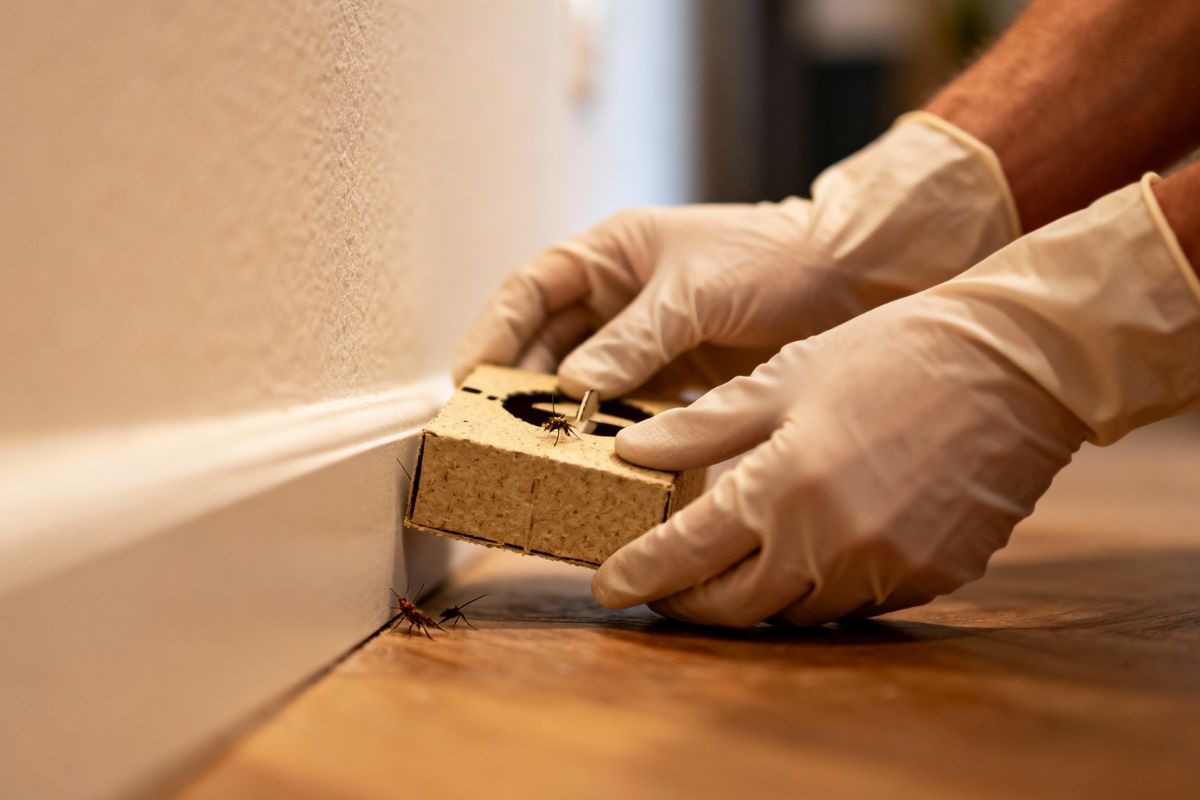
If you notice these signs, act quickly—remove any food sources and seal entry points. Using traps can also help monitor pest activity.
Natural Remedies for Tiny House Bug Control
When you're looking to keep bugs at bay in your tiny house, natural remedies can be a powerful ally. Essential oils like peppermint, tea tree, and lavender act as effective deterrents. Mix a few drops with water in a spray bottle and apply around entry points to repel unwanted guests.
Additionally, consider creating homemade traps to capture pesky insects. For example, a simple vinegar and dish soap trap can attract fruit flies, while a jar filled with soapy water can catch spiders. Place these traps in strategic locations, such as near food sources or hidden corners.

When to Seek Professional Help for Bug Infestations?
How can you tell if a bug problem in your tiny house has escalated beyond DIY solutions? If you notice an increase in bug activity despite your efforts, it's time to evaluate the situation.
Signs needing assistance include persistent infestations, visible nests, or damage to your belongings. If you’re seeing larger pests like rodents or termites, don’t hesitate—this is when to call a professional.
Additionally, if you experience allergic reactions or health issues linked to pests, immediate help is essential. Remember, some pests can cause significant damage if left unchecked.
Trust your instincts; if your methods aren’t working, seeking expert advice can save you time, stress, and potential costs down the road.
Conclusion
By following these strategies, you can effectively keep bugs at bay in your tiny house. Regular cleaning, sealing entry points, and being proactive about inspections are key to maintaining a pest-free environment. Don’t underestimate the power of natural remedies, and always stay vigilant for signs of infestations. If you encounter a persistent problem, it’s wise to seek professional help. With these practices, you’ll enjoy a comfortable, bug-free living space.



Share: