

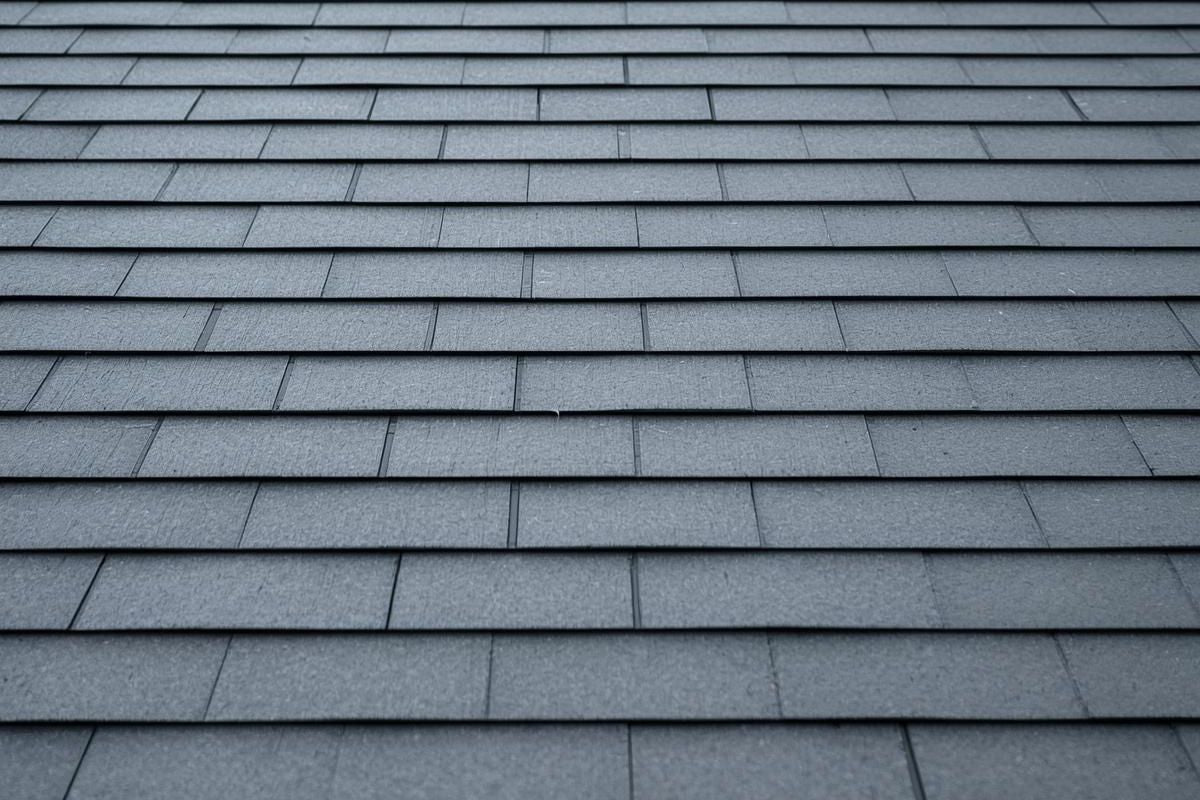
People living in Nova Scotia, Canada, are no strangers to heavy snowfall and winter storms. However, the prolonged and heavy winter spell also affects their properties, especially the house's roof. Those with slate roofing may worry a bit more than others.
Why do slate roofs cope better with winter challenges?
Slate is basically compressed stone that's been sitting in the earth for millions of years. This makes it very dense and water-resistant. Asphalt shingles can crack in extreme cold, and wood will expand and contract with temperature changes. Slate does not soak in water, which is good when your region undergoes a long spell of blizzards.
Slate also fares better with heavy snowfall because it has a slippery surface. Its smooth surface helps snow slide off, reducing the risk of heavy ice dam formation. However, you have to remember that slate roofing alone will not stop ice dams. You have to use proper attic insulation and ventilation.
The weight factor
Another factor in favor of slate-based roofing is its heavy weight. It is much heavier than asphalt. If your house is assessed and reinforced for slate installation, snowfall will not cause much damage to the roof. On the contrary, it will withstand strong winds and storms far better than other roofing materials. That is why so many people still prefer slate roofing in Nova Scotia.

What about the freeze-thaw cycles?
For people in Nova Scotia, experiencing freezing days with relatively warmer periods is nothing new. A warm afternoon melts the snow, but by night it is freezing again.
Good-quality slate will not be easily damaged during those times. However, those with improperly graded slate may face problems over time. Soft slate also develops damage over time, so you have to be careful.
If you are planning to use slate for a roof revamp or installation, choose S1 slate, as it is robust and weather-resistant. S2 and S3 grades may not be suitable for extreme cold.
• Thermal stability and indoor comfort
Slate roofing helps maintain stable indoor temperatures during harsh winters. Because slate does not absorb moisture and has natural thermal mass, it reduces rapid heat loss during freezing conditions. This is especially beneficial during extended cold spells in Nova Scotia, where consistent indoor comfort matters just as much as structural durability.
• Fire and storm resilience combined
Slate is a non-combustible material, offering an added layer of safety beyond winter performance. In regions where winter storms can damage power lines or heating systems, fire resistance becomes an indirect but valuable advantage. Combined with its wind resistance, slate provides year-round protection against multiple environmental risks.
• Longevity reduces long-term winter repair costs
One often overlooked benefit of slate roofing is its long lifespan. While the upfront cost is higher, slate roofs rarely need replacement after severe winters. This reduces recurring repair expenses caused by cracking, curling, or moisture damage—common issues with other roofing materials exposed to extreme cold.
• Snow-load advantages for tiny houses
For tiny houses in Nova Scotia, roof performance during winter is critical because compact structures are more sensitive to snow load and heat loss. A properly engineered slate roof on a tiny house can efficiently shed snow while maintaining insulation integrity. However, structural assessment is essential, as tiny houses must be designed to handle slate’s weight safely.
• Reduced vibration and noise in storms
Slate’s density helps dampen noise from heavy snow, hail, and strong winter winds. This is particularly noticeable in tiny houses, where exterior noise travels more easily indoors. A slate roof creates a quieter, more stable interior environment during storms.
• Sustainability for small and full-sized homes
Slate is a natural, recyclable material with minimal environmental impact over its lifetime. For tiny house owners who prioritize sustainability and low environmental footprint, slate aligns well with eco-conscious building goals—especially when paired with proper insulation and energy-efficient design.

Wind resistance in winter
Individual slate tiles fastened to the roof deck offer good wind resistance. However, secure fastening and the proper overlap are a must. It is better to use copper flashings for fastening.
Things to watch out for
While slate roofs require little maintenance, you still need to be careful. After a prolonged winter, watch for any signs of damage. You must observe for any slipped tiles, ice dam formation, snow buildup in one area, etc.
With proper care, slate roofs may last for 75 years or more. That also depends on the grade and quality of the roof installation.
Summing it up
Slate roofing handles extreme winter conditions better than many other materials. The maintenance needs are minimal, too. All you need to do is use quality slate and have it installed by a veteran roofing contractor. Contenders like Artisanroofing.ca will offer you a satisfying experience. Resolve your queries on usage and care before you give the final nod. You can email them or discuss the queries when you interact with the experts.

Share: