

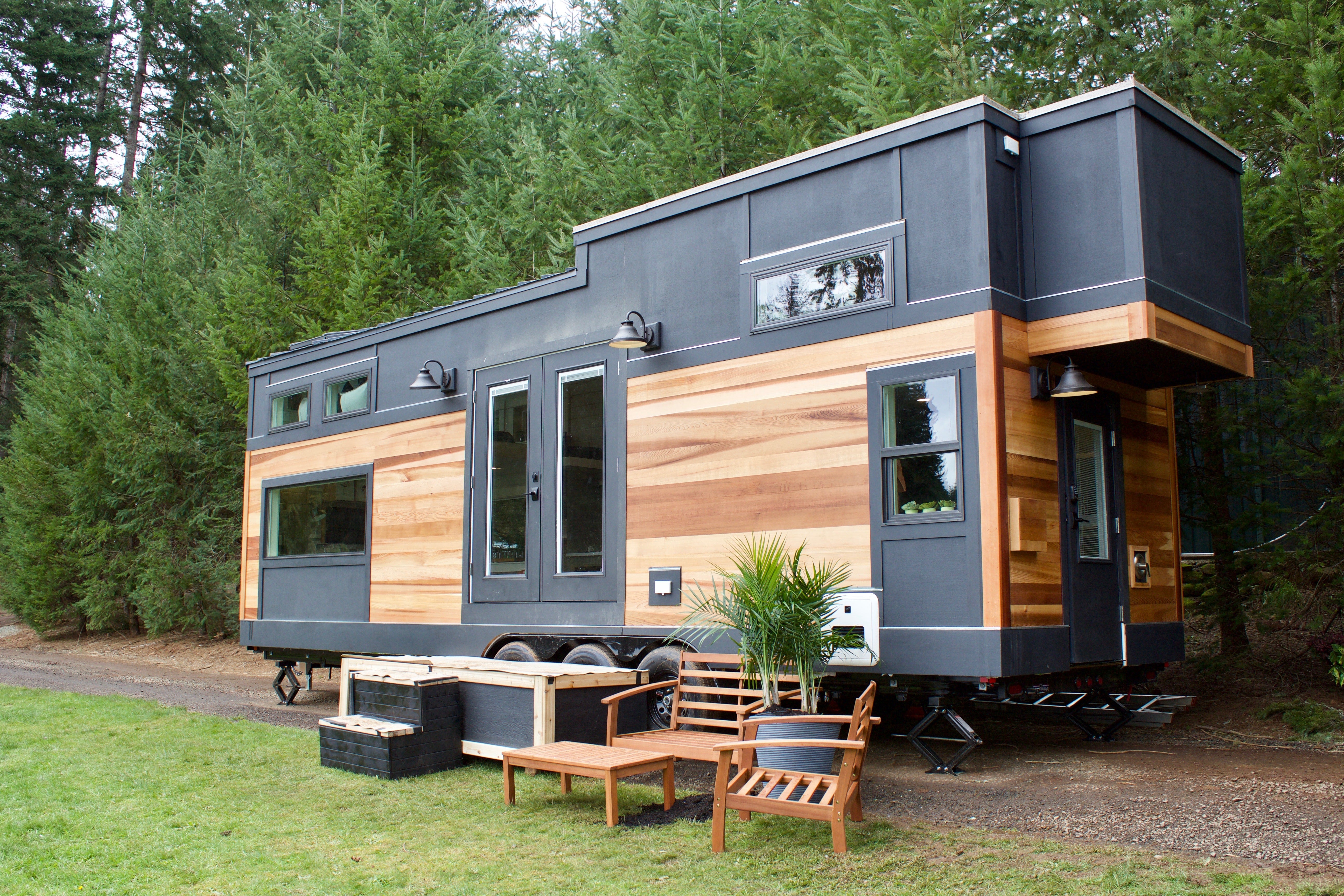
For generations, the idea of “home” has been tied to a fixed address, a white picket fence, and a 30-year mortgage. But today, more people are redefining what home truly means. For tiny house dwellers, home isn’t a place on a map—it’s wherever the wheels stop rolling. The phrase “Home Is Where You Park It” perfectly captures the spirit of tiny house adventures: freedom, flexibility, and the courage to live differently.
Tiny houses on wheels are more than just a housing trend. They represent a lifestyle shift. They invite people to simplify, downsize, and focus on experiences instead of possessions. And for many, the open road becomes both a backyard and a front porch.
The Rise of Tiny House Living
The tiny house movement gained momentum after the 2008 financial crisis, when many families began questioning traditional housing costs. Skyrocketing property prices, rising rents, and long-term debt pushed people to search for alternatives. A tiny home—often between 100 and 400 square feet—offered an affordable and practical solution.
Compared to conventional housing expenses, including property taxes, maintenance, and even unexpected urban costs like a NYC sidewalk repair cost, tiny homes can significantly reduce financial pressure. Without the burden of a massive mortgage, homeowners gain financial breathing room—and often, peace of mind.
But the appeal goes beyond saving money. Tiny house living offers freedom. Freedom from clutter. Freedom from excessive bills. And perhaps most importantly, freedom to explore.

Designing a Life on Wheels
Living in a tiny house requires intentional design. Every square inch must serve a purpose. Multi-functional furniture—like fold-down tables, storage stairs, and convertible beds—makes compact living comfortable and efficient.
Natural light plays a crucial role. Large windows create the illusion of space and connect the indoors to the outdoors. Many tiny homes feature loft bedrooms, clever kitchen storage, and compact yet fully functional bathrooms.
But the real beauty of a tiny house on wheels is mobility. Owners can tow their homes to scenic mountain towns, beachside communities, or quiet countryside retreats. Instead of being tied to one location, they can follow seasonal work, warmer climates, or simply their sense of adventure.
Embracing the Open Road
Tiny house adventures often begin with a simple question: What if we didn’t need so much space to feel fulfilled?
For many couples, solo travelers, and even small families, the road offers endless possibilities. Imagine waking up to a sunrise in the desert one month and falling asleep near a forest lake the next. Your front yard changes whenever you want it to.
Traveling in a tiny house encourages slow living. Unlike rushed vacations, this lifestyle invites you to truly experience each destination. You get to know local communities, explore hidden trails, and enjoy spontaneous roadside discoveries.
There’s also a strong sense of independence. With solar panels, composting toilets, and off-grid water systems, many tiny house dwellers reduce their reliance on public utilities. This self-sufficiency fosters confidence and resilience.

The Financial Freedom Factor
One of the most compelling reasons people choose tiny house living is financial freedom. Traditional homeownership often comes with decades of payments and constant upkeep. Tiny homes, by contrast, can cost a fraction of the price.
Lower housing expenses mean more money for travel, hobbies, education, or even early retirement. Many tiny house owners work remotely, run online businesses, or take seasonal jobs that align with their travel routes.
Minimalism also changes spending habits. When you live in 200 square feet, impulse purchases lose their appeal. There simply isn’t room for unnecessary items. This shift often leads to more mindful consumption and long-term savings.
Challenges on the Journey
Of course, tiny house adventures are not without challenges. Limited space requires discipline and organization. Clutter can quickly make a small area feel cramped.
Zoning laws and parking regulations can also complicate life on wheels. Not every city welcomes tiny houses, and finding legal places to park sometimes requires research and flexibility. Some owners choose RV parks, private land, or tiny home communities designed specifically for this lifestyle.
Weather conditions present another consideration. Insulation, heating, and cooling systems must be carefully planned. Living in a small space during extreme temperatures can be uncomfortable without proper preparation.
Relationships, too, are tested in tight quarters. Communication becomes essential when there’s no separate room to retreat to. However, many couples report that the closeness strengthens their bond and encourages teamwork.
Building Community on the Road
Despite the independence of tiny living, community remains important. Across the country, tiny house villages and meetups have emerged, creating supportive networks for like-minded individuals.
Social media has also connected tiny home enthusiasts worldwide. Owners share build tips, travel stories, and lessons learned. This sense of shared experience reduces isolation and inspires newcomers to take the leap.
Interestingly, tiny house living often sparks meaningful conversations. Strangers are curious. They ask questions about cost, comfort, and lifestyle. These interactions can lead to friendships and a deeper appreciation for alternative ways of living.

Environmental Benefits
Tiny homes aren’t just financially smart—they’re environmentally friendly. Smaller spaces require fewer materials to build and less energy to maintain. Many tiny house owners prioritize sustainable materials, composting systems, and renewable energy sources.
Living small naturally reduces waste. With limited storage, people buy less, discard less, and focus more on quality over quantity. The carbon footprint of a tiny home is typically much lower than that of a conventional house.
This eco-conscious lifestyle aligns with a growing global desire to live more responsibly and reduce environmental impact.
Redefining Success and Comfort
Perhaps the greatest adventure of tiny house living isn’t about travel—it’s about redefining success. Society often equates larger homes with greater achievement. But tiny house dwellers challenge this idea.
Success becomes about freedom rather than square footage. Comfort becomes about meaningful experiences rather than material abundance. A small kitchen can still host memorable meals. A loft bed can still offer restful sleep. And a compact living area can still be filled with laughter and love.
When your home moves with you, stability no longer depends on a physical foundation. It depends on mindset, adaptability, and a willingness to embrace change.
Is Tiny House Living Right for You?
Tiny house adventures aren’t for everyone. They require flexibility, creativity, and a tolerance for limited space. But for those who crave exploration and simplicity, this lifestyle offers unmatched rewards.
Before making the leap, it’s important to consider your goals. Are you seeking financial freedom? A closer connection to nature? A break from traditional housing expectations? Clarifying your motivation will help determine whether tiny living aligns with your long-term vision.
Renting a tiny house for a short trip can also provide valuable insight. Experiencing the lifestyle firsthand helps you understand both its charm and its challenges.
The Road Ahead
“Home Is Where You Park It” is more than a catchy phrase—it’s a philosophy. It reflects the courage to step outside conventional norms and design a life rooted in freedom and intention.
Tiny house adventures remind us that home is not defined by size, location, or luxury. It’s defined by how we feel within our space. It’s the comfort of familiar belongings, the warmth of shared moments, and the thrill of discovering new horizons.
In a world that often encourages us to accumulate more, tiny house living invites us to live with less—but experience more. And sometimes, the greatest adventures begin when we decide that home can travel wherever we choose to go.
Share: