

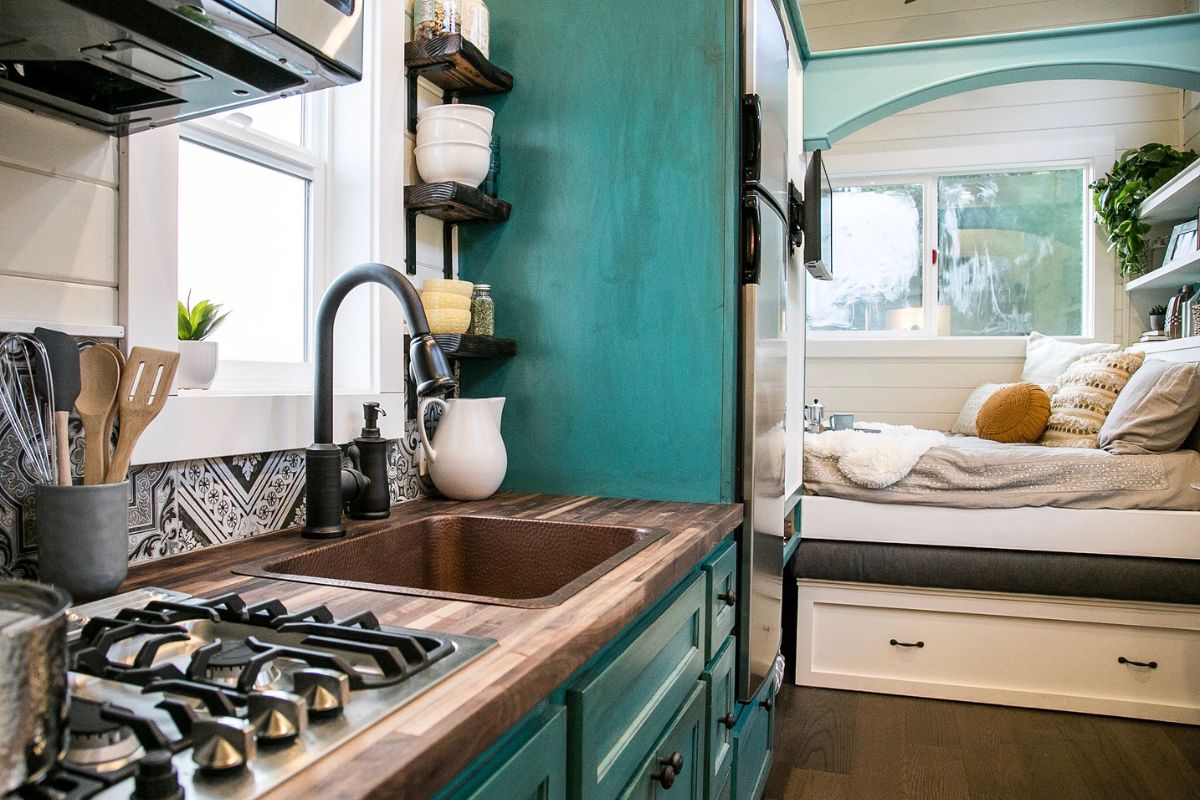
Tiny houses offer an appealing alternative to traditional homes. They can reduce living costs, simplify daily life, and give homeowners more flexibility over where and how they live.
However, owning or building a tiny house does not eliminate the legal responsibilities that come with owning property. In some situations, understanding those responsibilities early can prevent a minor disagreement from becoming a costly legal dispute.
Why Tiny House Owners May Face Unique Legal Questions
A tiny house may look simple, but the legal issues surrounding it can be surprisingly complicated. Depending on the property and location, questions may involve zoning rules, building regulations, land-use restrictions, contracts, insurance, or property boundaries.
A tiny home can also be located on land that has different rules from those governing conventional residential properties. For example, a homeowner may need to determine whether the structure is considered a permanent residence, accessory dwelling unit, recreational vehicle, or another type of dwelling.
Before purchasing land or beginning construction, homeowners should research the applicable local requirements. Checking these details early can help avoid expensive modifications or disputes later.

Property Injuries and Homeowner Responsibility
Another issue tiny homeowners should understand is liability when someone is injured on their property. Like any homeowner, a tiny house owner may have responsibilities to keep the premises reasonably safe and address hazards that could foreseeably cause an injury.
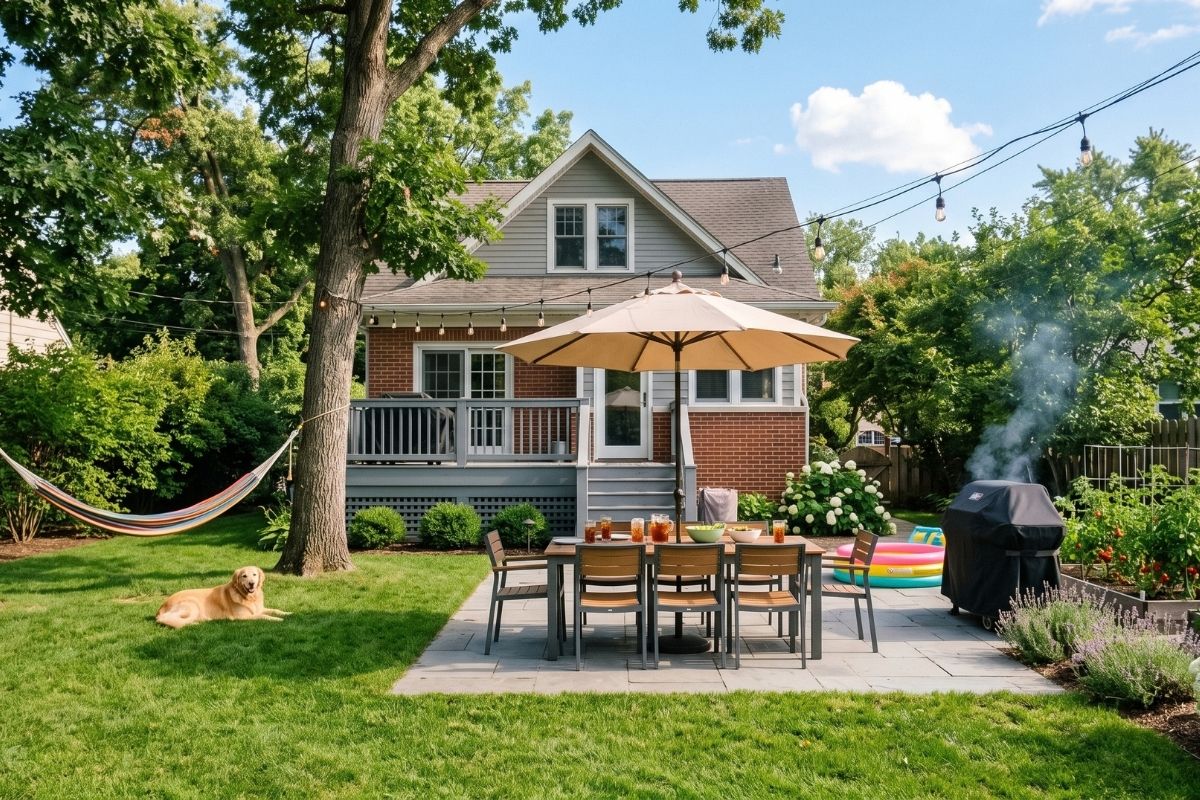
Potential hazards might include uneven walkways, unstable steps, inadequate lighting, slippery surfaces, or improperly maintained outdoor areas. The exact legal responsibility depends on the circumstances and applicable laws.
If an accident occurs, homeowners should document what happened, preserve relevant evidence, and avoid making assumptions about legal responsibility before understanding the facts.
When Professional Legal Advice Can Help
Not every disagreement requires an attorney. However, professional advice may be valuable when a dispute involves significant property damage, serious injuries, insurance questions, construction contracts, or potential liability.
When choosing legal representation, homeowners should consider the lawyer's experience with the type of issue involved, communication style, reputation, and professional recognition. Awards and independent rankings can provide another piece of information when comparing potential firms, although they should not be the only factor considered.
For example, homeowners researching firms may come across a Doyle's Guide recognised firm and use that recognition as one consideration alongside experience, relevant practice areas, client communication, and qualifications.
What to Do After an Accident
If someone is injured at a tiny house, taking sensible steps immediately can make the situation easier to understand later.
First, make sure the injured person receives appropriate medical attention. Next, document the condition of the property, including the location where the accident occurred and any potentially relevant hazards. Photographs, maintenance records, receipts, correspondence, and witness information may become important.
Homeowners should also review their insurance policy and notify the insurer when appropriate. If the circumstances are complicated or a claim has already been made, consulting a qualified attorney can help the homeowner understand the available options.

Protecting Your Tiny House Investment
Legal planning should ideally begin before a dispute occurs. Tiny homeowners can reduce potential problems by keeping written agreements with contractors, confirming property and zoning requirements, maintaining the structure properly, and keeping organized records.
Insurance coverage should also be reviewed carefully. A standard homeowners policy may not automatically provide the same coverage for every type of tiny house or property arrangement, particularly when the structure has unusual characteristics or is located separately from a conventional residence.
A Practical Approach for Tiny Homeowners
Tiny-house living can provide freedom and simplicity, but the legal side of ownership should not be overlooked. Understanding local regulations, maintaining the property, documenting important transactions, and knowing when to seek professional advice can help protect both the homeowner and the investment.
The best time to identify potential legal problems is usually before they become disputes. By taking a proactive approach to property responsibilities and obtaining qualified advice when necessary, tiny homeowners can focus more on enjoying the benefits of compact living and less on unexpected legal complications.


Share: