

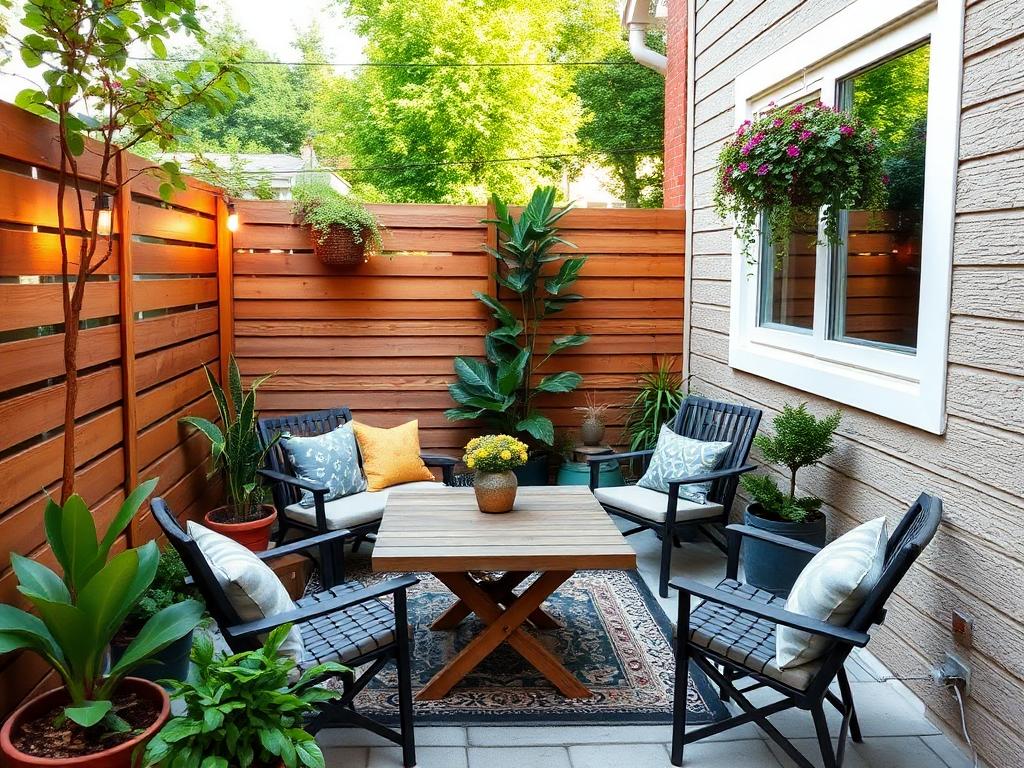
A well-made fence can give your outdoor area more privacy, safety, and a more appealing look. Fences also mark clear entry and exit points to your property, giving your home a more structured design. When planning to install a fence, many people consider different materials before starting.
Even though many people consider installing residential fencing to improve their outdoor spaces, choosing the right one can be overwhelming, given the many options available.
Learning about fencing materials helps you find a balance between cost, maintenance and style. This blog explains five types of fences to help you choose the right one. Wood is a favorite for its warmth and versatility.
Many people like wood fences. Vinyl is good for homeowners who want upkeep without sacrificing appearance. Vinyl fences look good. Aluminum and chain link fences work well for people who want something affordable. Composite fencing blends the best of both worlds. It offers benefits.
Each material offers benefits depending on your property's needs and climate. You should think about your property and climate when choosing a fence. The right fence depends on your property and climate.
Popular Fencing Materials and How They Compare
Wood Fencing for Natural Privacy
Today's most common type of fence is the wooden one. It provides a natural appeal and fits perfectly into any garden landscape. Wood fences may not only block strangers from peeking inside but also lower street noise if the boards are put tightly together. This kind of fence looks great near gardens, patios, and other green areas.
But the wood requires regular maintenance to preserve its condition. In particular, it should be treated with staining or sealing agents, which will protect it from getting spoiled due to moisture.
Good maintenance of your wood fence will allow it to serve you for many years to come. As compared to other types of fencing material, wood is rather inexpensive, which makes it very attractive to many people in search of privacy.
Cedar and pine are among the most commonly used wood materials; cedar naturally protects itself from rotting and pest attacks. The fence height may vary depending on privacy requirements – it usually ranges between four and eight feet. If taken care of properly, such a fence will last you fifteen to twenty years.

Vinyl Fence Panels for Low Maintenance
Vinyl fences are becoming very popular for homes today. Durable PVC fence materials create a smooth, uniform surface. They are good at resisting water, bugs, and weather-related problems. Moreover, they also require less maintenance than wood fences.
Many vinyl fences consist of pre-installed panels, thus making the installation process easier. The color does not fade quickly but lasts for years without the need for repainting and sealing. Even though initially it may seem like an expensive material to use for a fence, vinyl saves money in the end by reducing the maintenance cost, hence making it ideal for those looking for a tough fence that requires minimal maintenance.
Vinyl is resistant to harsh weather conditions; it will neither crack nor warp, and therefore can be used in different climatic conditions. Vinyl fences are available in a variety of designs such as privacy panel design, picket style, and lattice top, among others. Because of its non-decaying nature and no termite attraction, it removes the issues normally related to wooden fences. Most vinyl fences also have a long-term warranty provided by the manufacturer.
Aluminum Fencing for Decorative Security
Aluminum fences are known for their strength and low weight. Aluminum fences are commonly found in front yards, surrounding pools or in gardens, since they not only serve their purpose but have an aesthetic look as well.
The coating on the aluminum keeps it from rusting; therefore, very little maintenance is needed. However, aluminum fences usually do not obstruct your view as they come in open bars, and hence are used for decoration and protection, not for privacy purposes. They come at a relatively higher price as they add aesthetic value to your property.
It is quite common for people to use aluminum fences for pool enclosures, as these fences can satisfy all the required safety codes while providing visibility as well. Since they are lightweight, they are easier to install than other heavy fences, such as wrought iron fences. Besides that, they resist corrosion well in the humid and coastal areas.
Composite Fencing for Long-Term Durability
Composite fences are constructed using recycled wood particles combined with plastics. They have high durability. They are more resistant to water, pests, and decay compared to wood. Composite fences usually resemble real wood but require little maintenance. Their color lasts for long periods without the need for staining or sealing. Even though they can be expensive initially, their low maintenance makes them worth the investment in the long run.
The use of composite fences is an environmentally sustainable way of constructing fences, as it utilizes recyclable material while at the same time cutting down the need for wood to be harvested fresh. Composite fences are resilient in adverse weather conditions, such as excessive heat and rainfall, as they do not bend or splinter easily. Most composite fences have textures that mimic wood grain, hence the aesthetic appeal of real wood is preserved.
Chain Link Fencing for Budget-Friendly Protection
Chain link fencing is very economical and functional. The construction of such a fence consists of metal wires, which form a mesh. The fencing is very durable and tough, especially if it is treated to protect it from corrosion.
Chain link fences can be easily assembled in a short period of time and thus are suitable for large plots of land, gardens, and pets' territories. Such fences provide poor privacy because of their open design; however, they may be complemented with additional slats or plants.
The fence doesn't require much maintenance because of the galvanized or vinyl-treated wire, which is resistant to corrosion and weather conditions for many years. Chain link fencing is widely used in school grounds, on playgrounds, and on commercial properties due to its high resistance and low cost per foot.
The fence design can also be enhanced through painting the coating in different colors or with a landscape design.
Comparison of Popular Fence Materials
|
Fence Material |
Pros |
Cons |
Cost Level |
|
Wood Fencing |
Looks natural, keeps privacy, versatile |
Requires regular upkeep |
Low to moderate |
|
Vinyl Fencing |
Weatherproof, easy to care for, colors last longer |
Costly to buy and install at first |
Moderate to high |
|
Aluminum Fencing |
Looks good, resists rust, strong and can be converted into decorative patterns |
Usually doesn’t block the onlookers = limited privacy |
Moderate to high |
|
Composite Fencing |
Very tough, resists water and bugs, little work needed |
Usually costs more to install |
High |
|
Chain Link Fencing |
Affordable, strong structure, quick installation |
Limited privacy |
Low |
Choosing the right material depends on your outdoor needs. Factors like the weather, maintenance requirements, and your yard layout can influence your choice.
Conclusion
Choosing the appropriate type of fence involves the consideration of durability, aesthetics, and maintenance requirements of the particular fence. All types of fences differ in characteristics according to their particular needs.
Wood fences are the perfect choice when you want privacy and a rustic style; vinyl fences require low maintenance efforts and have high longevity; aluminum fences are ornamental and durable; composite fences are maintenance-free and durable; and chain link fences are cost-effective and durable.
Take your time to analyze the pros and cons of all the aforementioned types of fences before choosing one to suit your needs. By examining various types of fences you will be able to create a yard that will be both safe and beautiful and fully meet your needs. When choosing the type of fence, consider your budget, climate conditions, and your willingness to maintain the fence.
Also, it would be helpful to consult your homeowners' association regarding your plans since there might be certain restrictions concerning height and fence material.

Share: