

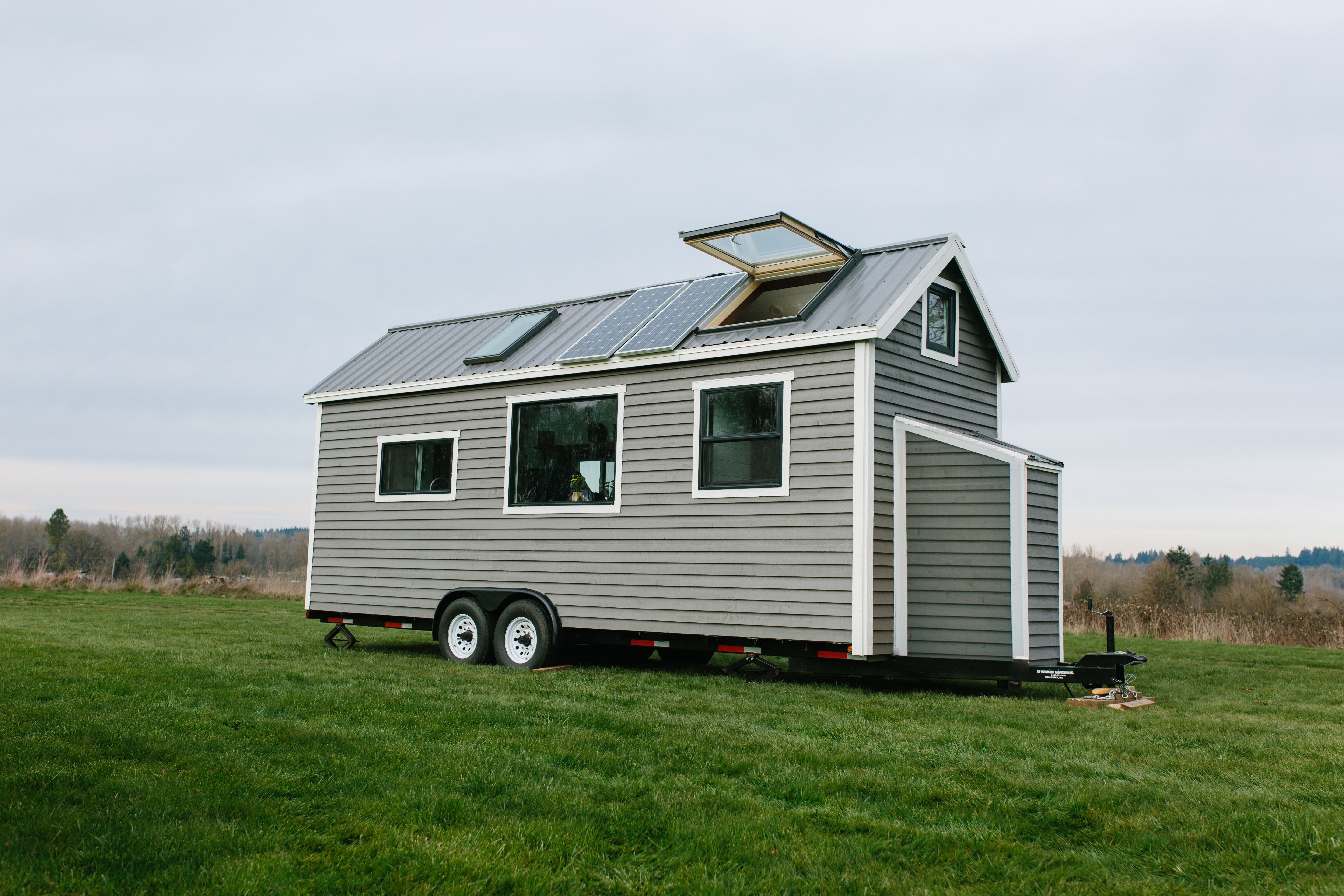
Tiny home living is all about simplicity. You downsize your belongings. You cut your bills. You focus on what matters most. But here's something many new tiny home owners overlook at first. Safety needs don't shrink just because your square footage does.
More people over 60 are choosing tiny homes now. They want independence without the burden of a large house. That makes sense. But cramped spaces create their own challenges during emergencies. Protective medical bracelets solve this problem neatly. They work anywhere in your home. They don't take up precious space. And they don't require any installation work.
Faster Emergency Response in Compact Spaces
Tiny homes usually measure between 100 and 400 square feet. That's smaller than most studio apartments. The size creates a strange mix of benefits and problems during medical emergencies.
The good news first. Emergency responders can find you fast once they arrive. There aren't many rooms to check. The bad news? You might not reach your phone when trouble hits.
Here's where wearable alert systems shine:
-
You carry emergency contact capability everywhere you go
-
The sleeping loft stays covered
-
The bathroom stays covered
-
The kitchen area stays covered
Most systems now include two-way voice communication. You can talk directly to operators. You don't need to crawl to a phone. You don't need to shout through doors. The device handles everything from wherever you are.

Independence Without Giving Up Safety
The CDC reports that one in four Americans aged 65 and older falls each year. That's a big number. Many people pick tiny homes specifically to stay independent as they age. The tricky part is staying safe while keeping that freedom.
Medical alert technology helps you thread that needle. You live your normal life. You maintain your privacy. But backup support stays ready around the clock. Your family stops worrying so much. You avoid premature moves to care facilities.
These devices respect your choices. You're not stuck near one spot. You can work in your garden. You can sit on your porch. You can build projects in your workshop. The connection to emergency services travels with you.
Better Security in Remote Locations
Many tiny home owners place their houses in rural areas. You get peace and quiet. You get nature views. But you also get longer ambulance response times. Cell coverage can be spotty too.
GPS tracking solves the location problem. Emergency services receive your exact coordinates automatically. You don't need to remember an address during a crisis. This matters especially if your tiny home sits on family land. Or in an RV park. Or on leased property without a street number.
Some alert systems don't rely on your home's internet or phone line. They use cellular networks instead. That creates backup communication even when other services fail. Rural and off-grid tiny home residents get real protection this way.
Weatherproof Protection for All Seasons
Tiny home living means you feel the weather more intensely. Thin walls mean temperature swings. Limited insulation means you notice every storm. And if you spend time outside your tiny home, you need gear that works in all conditions.
Medical alert devices now come with serious weather resistance. Most modern bracelets handle rain without problems. They work in snow. They survive accidental splashes. Some models are fully waterproof up to certain depths.
This protection matters more than you might realize at first. Tiny home owners spend lots of time outdoors. You're gardening. You're maintaining your property. You're enjoying your outdoor living space. Rain shouldn't force you inside or make you remove your safety device.
Shower and Bath Safety
Bathroom falls cause serious injuries every year. Wet surfaces are slippery. Small bathrooms give you less room to catch yourself. And many tiny homes use compact shower stalls with high thresholds.
Waterproof medical bracelets let you wear protection in the shower. You don't take them off. You don't set them aside. You stay protected during one of the riskiest times of day. That continuous coverage makes a real difference.
Some people shower at unusual hours in tiny homes. Water heaters are smaller. You might shower late at night or very early morning. Having protection during those off-hours provides extra peace of mind.
Weather Extremes and Device Reliability
Temperature extremes affect tiny homes more than traditional houses. Summer heat builds up fast in small spaces. Winter cold penetrates quickly. Your medical alert device needs to handle these swings.
Quality systems operate across wide temperature ranges:
-
They function in freezing conditions
-
They work in high heat situations
-
Battery life stays consistent
-
Signal strength remains stable
You shouldn't worry about your safety device failing during a polar vortex. You shouldn't stress about it overheating during a summer heat wave. Reliable equipment works regardless of outdoor conditions.
Many tiny home communities are located in areas with harsh weather patterns. Mountain regions get heavy snow. Desert locations face extreme heat. Coastal areas deal with humidity and salt air. Your medical alert bracelet needs to survive whatever climate you choose.
The best systems undergo rigorous testing for environmental durability. They're built to last through years of exposure. That durability means fewer replacements and better long-term value for your investment.

Fall Detection for Vertical Living Spaces
Tiny homes often build upward to save floor space. You'll see sleeping lofts everywhere. Ladder access is common. Compact bathrooms are standard. These features create extra fall risks.
Think about the typical tiny home bathroom. It measures just 25 to 30 square feet. You can barely turn around in there. One wrong move on a wet floor could mean trouble.
Automatic fall detection watches your movements constantly. The system detects sudden impacts. It notices if you stay still too long. Then it calls for help automatically. You don't press any buttons. You don't need to speak.
How Fall Detection Works
The technology is smarter than you might think:
-
It tracks your normal movement patterns
-
It measures impact velocity during falls
-
It analyzes your body position after impacts
-
It filters out everyday activities that look similar
You can climb ladders safely. You can sit down quickly. You can bend over to pick things up. The system knows the difference between these actions and real falls.
Budget-Friendly Safety for Minimal Living
People choose tiny homes partly for the money savings. Utility bills drop. Property taxes shrink. Maintenance costs nearly disappear. Adding expensive safety modifications would ruin these benefits.
Medical alert systems cost between $25 and $50 per month typically. That's far less than installing permanent safety features. No grab bars needed. No ramps required. No construction work at all.
The devices need zero installation. You can't damage rental property. You won't void any warranties. And if you move your tiny home later? The system moves with you.
Financial Flexibility Features
Month-to-month billing works well for tiny home owners:
-
No long contracts to sign
-
No cancellation penalties
-
Easy service adjustments
-
Freedom to change coverage as needs shift
This flexibility matches the tiny home philosophy perfectly. You avoid binding commitments. You adapt as life changes. You stay in control of your budget.
Smart Choices for Compact Living
Tiny homes deliver real benefits. You get financial freedom. You gain lifestyle simplicity. You reduce your environmental footprint. Medical alert systems enhance these advantages rather than conflict with them.
The technology supports your independence goals. It provides practical protection that fits naturally into small spaces. Smart planning means enjoying your tiny home confidently for many years ahead. Safety and freedom can coexist beautifully when you choose the right tools.


Share: