


Building a pole barn in Western Canada typically costs between $25,000 and $150,000+, depending on size, materials, and site conditions. Timelines range from 4 to 12 weeks. Choosing the right pole building contractor involves verifying experience, local code knowledge, and past projects. Working with reputable builders that residents trust ensures durability through harsh winters and compliance with regional regulations.
From equipment storage and livestock shelters to backyard studios, barndominiums, and even compact tiny homes, post-frame structures are surging in popularity across Western Canada. Their strength, speed of assembly, and adaptability make them ideal for everything from rural acreages to suburban workshops.
But success hinges on one critical factor: choosing the right pole barn builders. Harsh winters, variable soil conditions, and evolving municipal codes mean that not all contractors are equally equipped to deliver a structure that’s safe, compliant, and built to last. Whether you’re near Calgary, in the Okanagan, or on the Prairies, understanding costs, timelines, and vetting criteria can save you time, money, and stress.
Builders in Western Canada: Realistic Costs & What Drives Them
When planning a project in Western Canada, three factors dominate decision-making: cost, timeline, and builder selection. Getting clarity on each helps avoid budget overruns, delays, and mismatched expectations.

Understanding Regional Cost Drivers
In Western Canada, a well-built post-frame structure typically ranges from $25,000 for a modest 24’x30’ utility building to $150,000+ for larger, insulated, or finished designs. Several factors shape this wide range:
-
Size and height: Larger footprints and taller sidewalls increase material and labour needs.
-
Materials: Galvanized steel siding, pressure-treated posts, and energy-efficient insulation raise upfront costs but improve longevity.
-
Site preparation: Rocky terrain, poor drainage, or remote locations may require additional grading or access work.
-
Permitting and engineering: Alberta and BC often require engineered plans stamped by a certified professional, especially for buildings over a certain size or in high-snow-load zones.
-
Custom features: Overhead doors, lofts, windows, or electrical rough-ins add complexity and cost. Some homeowners even use post-frame structures as the foundation for tiny homes, combining durability with compact, efficient living spaces.
For example, barn builders Alberta residents hire near Calgary may quote differently than those in rural Saskatchewan due to local labour rates and material availability. Always request detailed, line-item estimates – not just a bottom-line number.
Typical Build Timelines and What Affects Them
Most projects take 4 to 12 weeks from signed contract to completion, though peak season (spring through early fall) can stretch this. Key variables include:
-
Weather: Spring thaw or unexpected snow can delay site work.
-
Permit approval: Municipal review times vary – some Alberta counties process permits in under two weeks; others take longer.
-
Builder workload: Reputable pole building contractors often book months in advance.
-
Customizations: Adding insulation, interior finishes, or concrete floors extends the schedule.
Well-organized barn builders Calgary team will provide a realistic project calendar upfront, including buffer time for inspections and weather contingencies.
Key Questions to Ask Before Hiring a Pole Building Contractor
Not every builder is equipped to handle Western Canada’s climate and code requirements. Ask these critical questions:
-
Are you licensed and insured in my province?
Verify coverage for liability and workplace safety. -
Do you provide engineered plans that are compliant with local building codes?
Essential for snow loads (often 30–60+ psf in Alberta) and wind resistance. -
Can I see examples of similar projects you’ve completed nearby?
Local experience matters – soil, frost depth, and municipal rules differ even within Alberta. -
What’s included in your quote?
Clarify whether site prep, permits, and cleanup are covered. -
Who manages the project day-to-day?
Consistent oversight prevents miscommunication.
Choosing a contractor who specializes in post-frame construction – not just general carpentry – ensures your pole barn Alberta property owners rely on will stand the test of time.

How to Evaluate Barn Builders Alberta Homeowners Recommend
Not every builder understands the demands of Western Canadian climates. Make sure to check these essential aspects before signing.
Check Licensing and Insurance
Always confirm that your chosen pole building contractor holds valid provincial licensing and carries both liability insurance and Workers’ Compensation Board (WCB) coverage. In Alberta, while post-frame builders aren’t required to hold a specific “pole barn” license, they must comply with the Safety Codes Act and often work under the oversight of certified engineers for structural plans.
Ask for proof of insurance and verify it directly with the provider if needed. This protects you from liability in case of on-site injuries or property damage.
Review Past Projects and Client Feedback
Look beyond glossy brochures. Request photos or site visits of completed pole buildings Alberta teams have built in conditions similar to yours – whether that’s heavy snow zones near the Rockies or high-wind areas in the prairies. Online reviews, testimonials, and referrals from local agricultural co-ops or acreage associations can offer honest insights.
Pay attention to comments about timeline adherence, problem resolution, and post-build support. A reputable contractor will welcome these requests and may even connect you with past clients.
Assess Material and Design Flexibility
Not all pole barns are created equal. Some builders use standardized kits with limited customization, while others – like those with in-house engineering and fabrication capabilities – offer tailored solutions. Ask whether they source high-quality, locally suitable materials: for instance, galvanized steel with proper corrosion resistance for Alberta’s variable humidity, or posts rated for your region’s frost depth (often 4–6 feet).
Builders who integrate insulation, vapour barriers, and energy-efficient doors from the start demonstrate a deeper understanding of long-term performance in Western Canadian climates. Additionally, consider whether they provide 3D renderings or detailed floor plans before construction begins. This transparency helps avoid costly mid-build changes and ensures your vision aligns with theirs.
Final Tips for a Durable, Code-Compliant Build
Building a pole barn in Western Canada is more than a construction project – it’s a long-term investment in functionality, resilience, and property value. The region’s unique climate, soil conditions, and evolving building standards mean that cutting corners on builder selection can lead to costly repairs, code violations, or even structural failure down the line.
Remember, the lowest quote isn’t always the best value. Look for transparency, detailed planning, and a track record of durable builds. When done right, your pole barn alberta property owners rely on will serve you reliably for decades – through blizzards, chinooks, and everything in between.
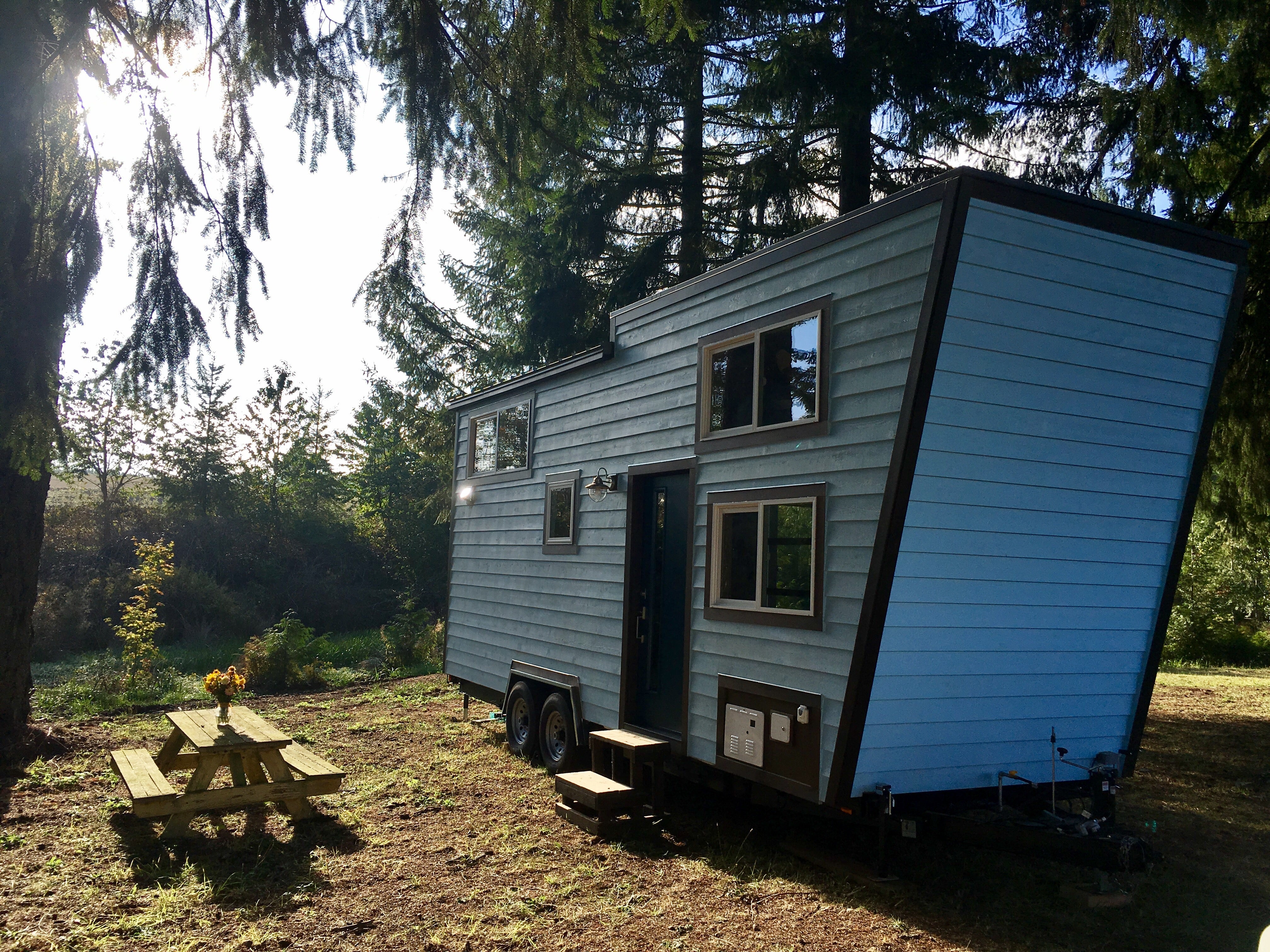
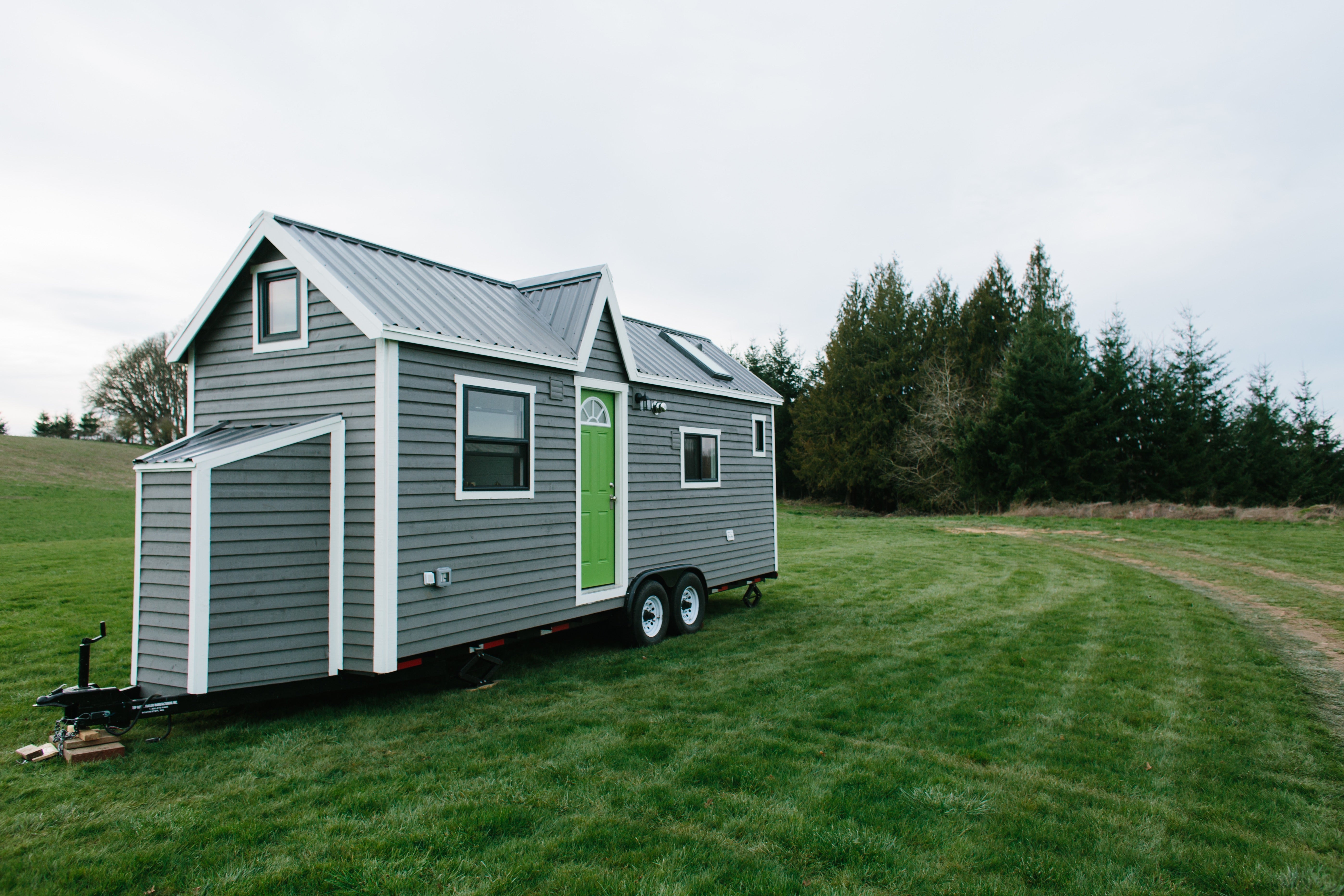
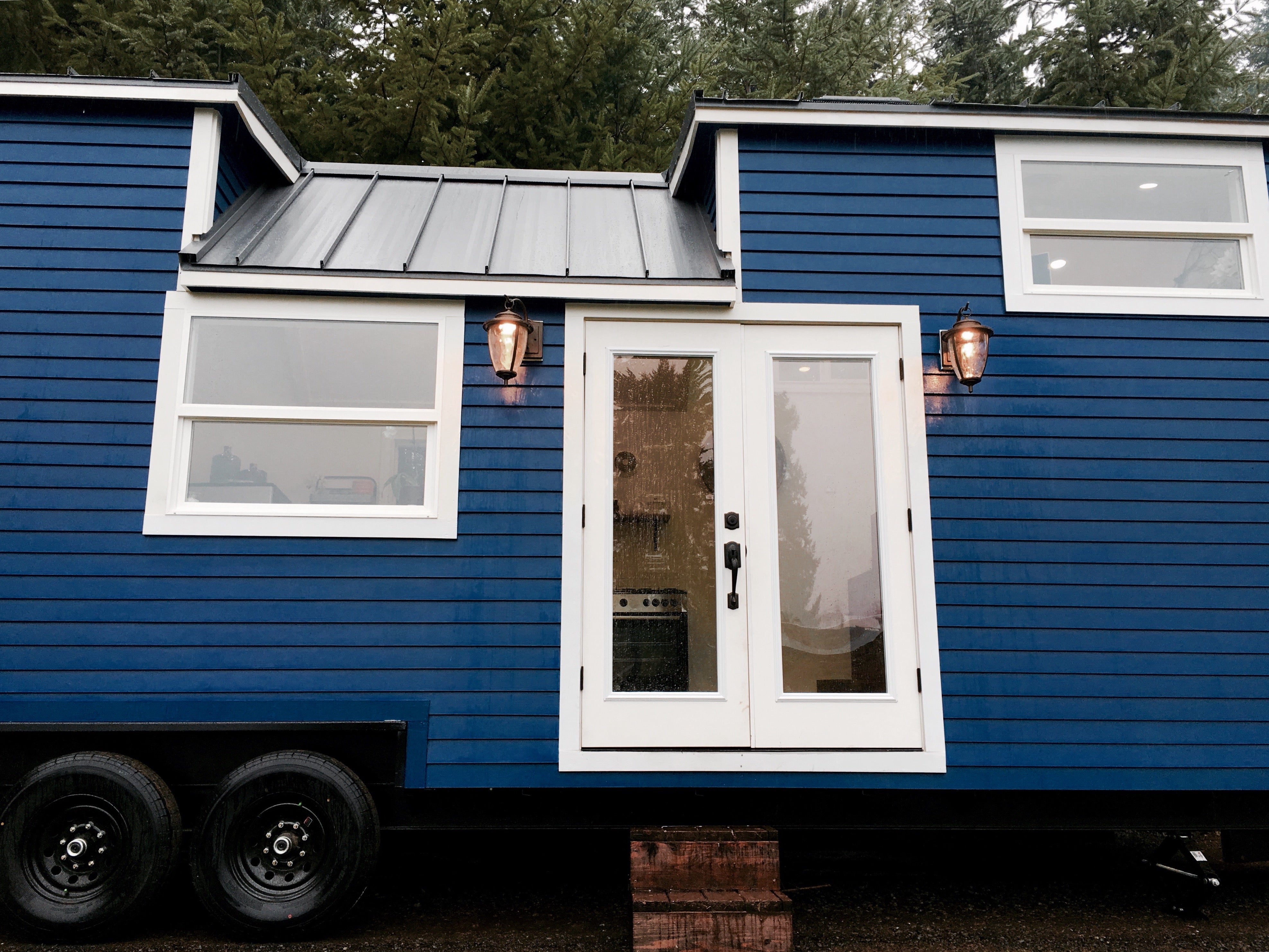
Pro Tip: Post-frame buildings aren’t just for barns or workshops – some Western Canadians are turning them into tiny homes. Their strength, adaptability, and insulation-friendly design make them ideal for compact living.
Share: